2 Typical Operating Characteristics

Note: The graphs and tables provided following this note are a statistical summary based on a limited number of samples and are provided for informational purposes only. The performance characteristics listed herein are not tested or guaranteed. In some graphs or tables, the data presented may be outside the specified operating range (e.g., outside specified power supply range) and therefore outside the warranted range.
Note: All tests have been performed without the RC Snubber. Please refer to the Evaluation Board Schematic.
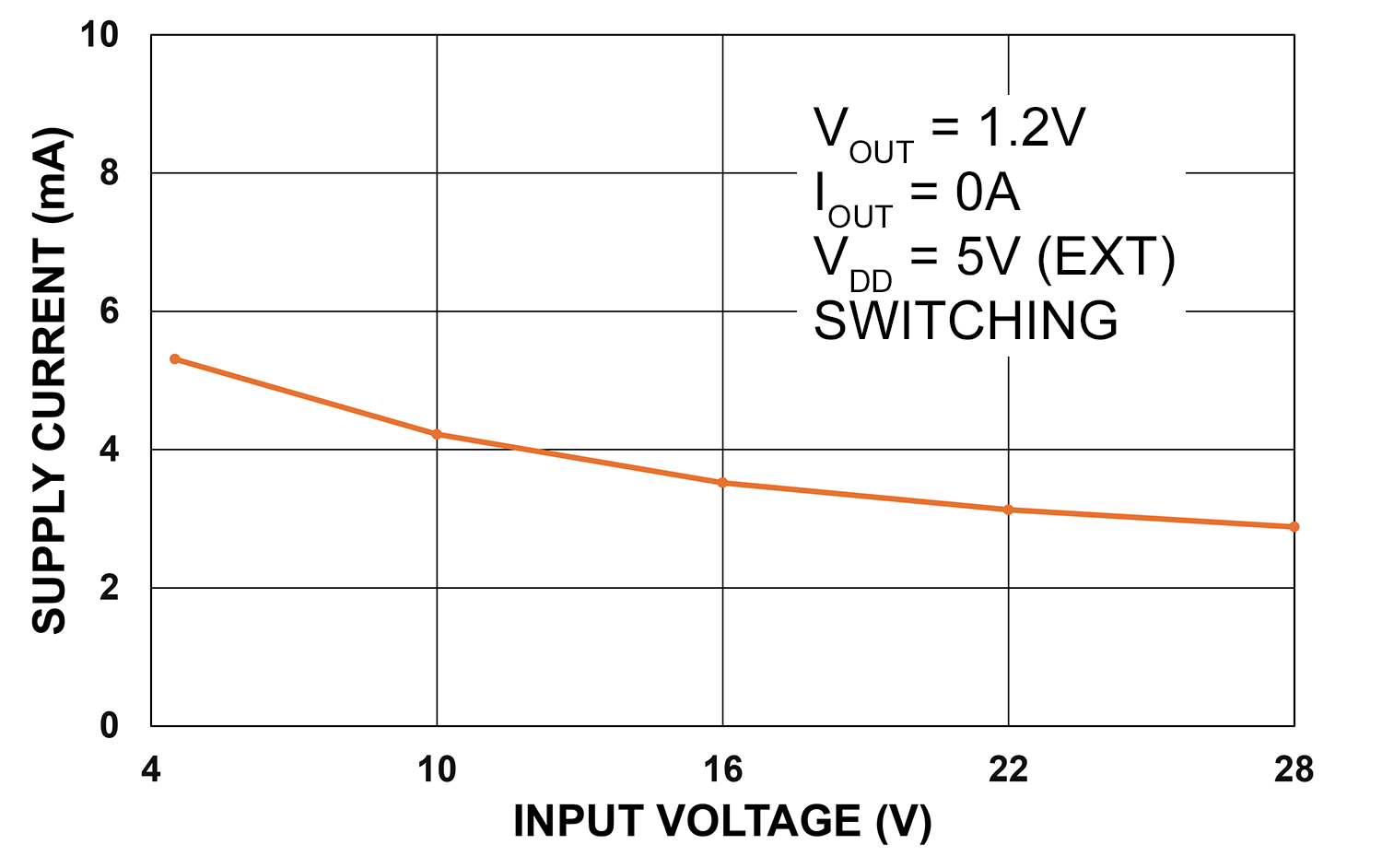
Figure 2-1. VIN Operating Supply Current vs. Input Voltage
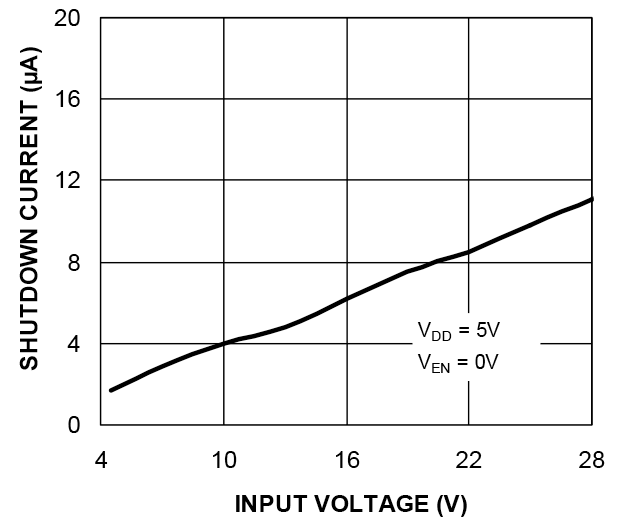
Figure 2-2. VIN Shutdown Current vs. Input Voltage
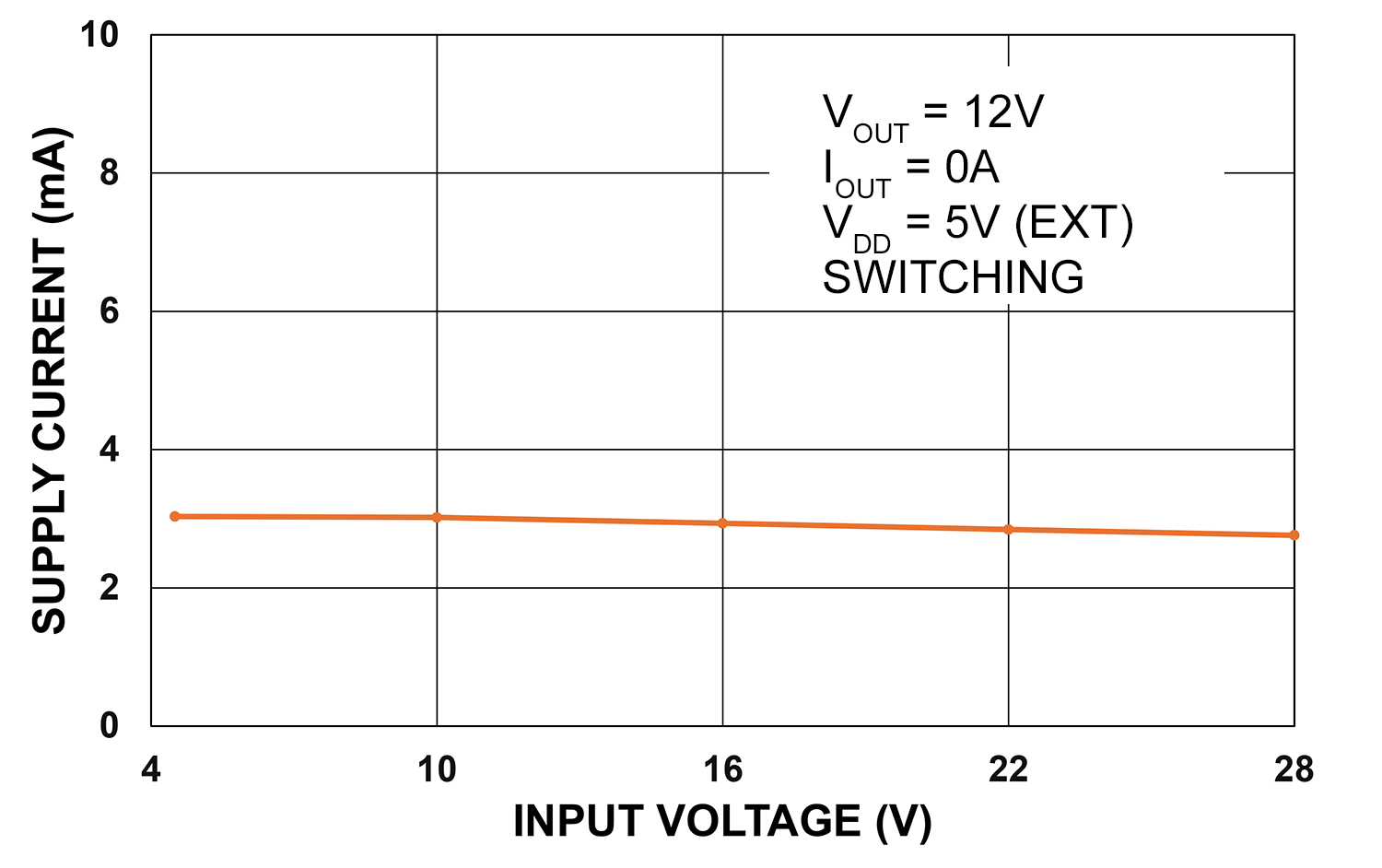
Figure 2-3. VDD Operating Supply Current vs. Input Voltage
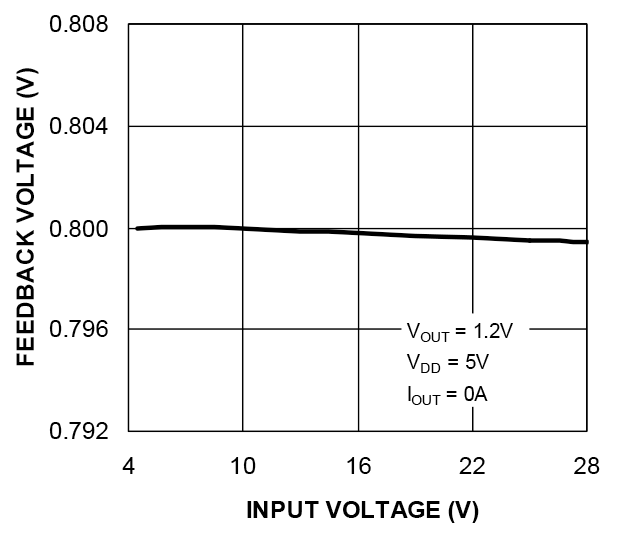
Figure 2-4. Feedback Voltage vs. Input Voltage
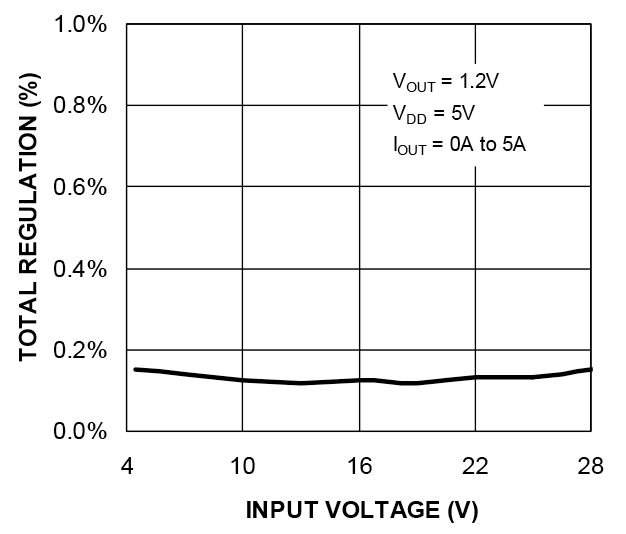
Figure 2-5. Total Regulation vs. Input Voltage
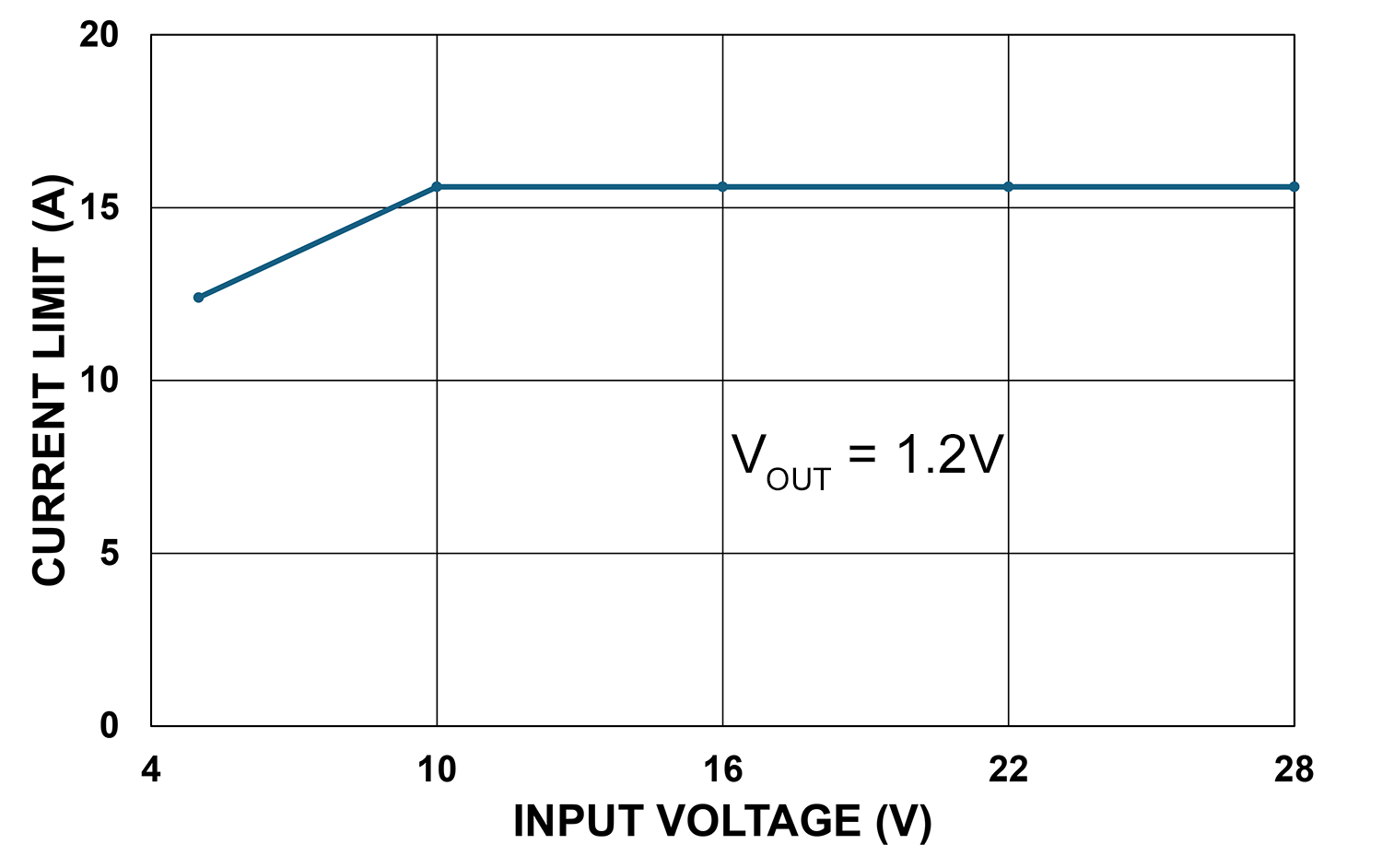
Figure 2-6. Current Limit vs. Input Voltage
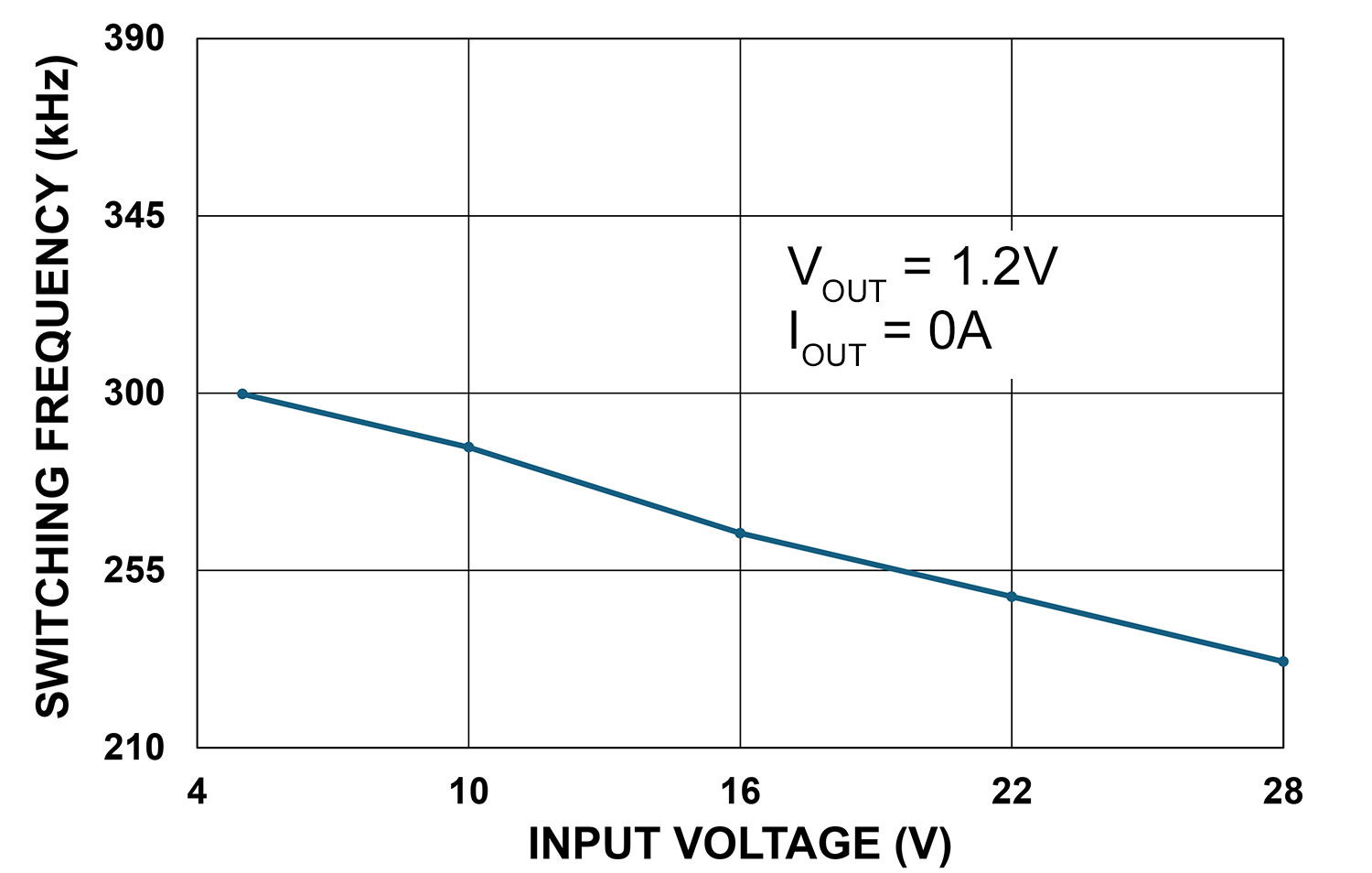
Figure 2-7. Switching Frequency vs. Input Voltage
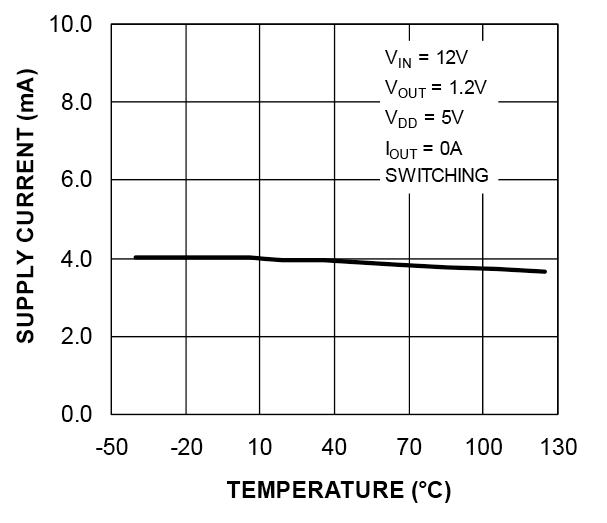
Figure 2-8. VDD Operating Supply Current vs. Temperature
Figure 2-9. VDD Shutdown Current vs. Temperature
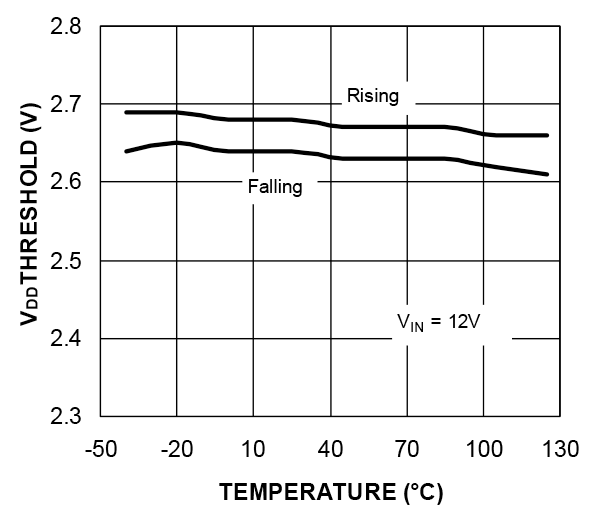
Figure 2-10. VDD UVLO Threshold vs. Temperature
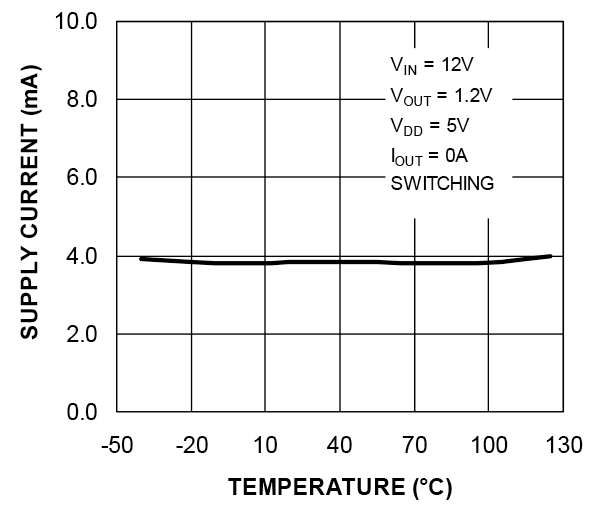
Figure 2-11. VIN Operating Supply Current vs. Temperature
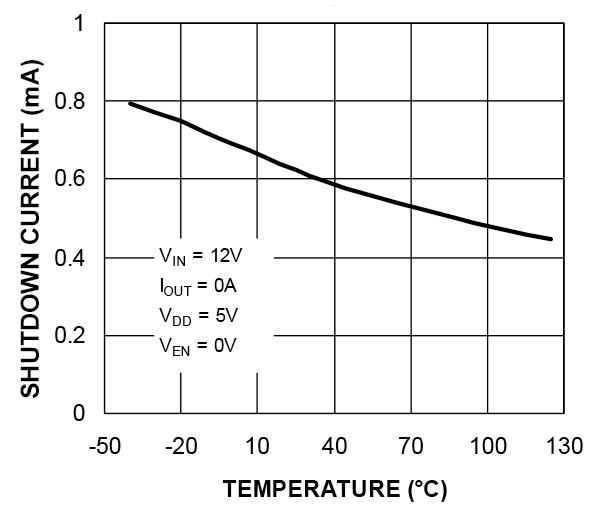
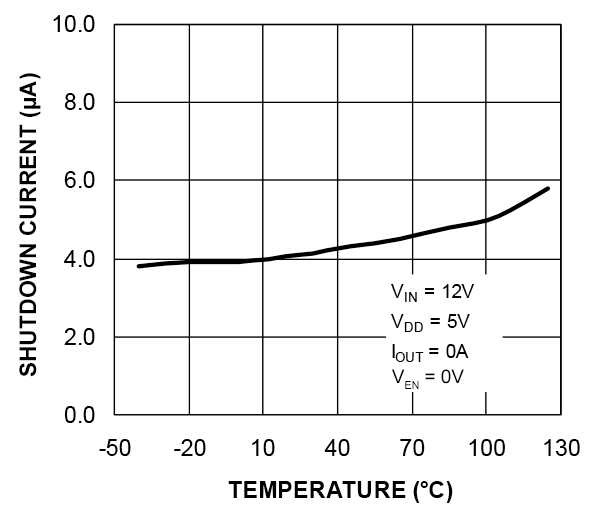
Figure 2-12. VIN Shutdown Current vs. Temperature
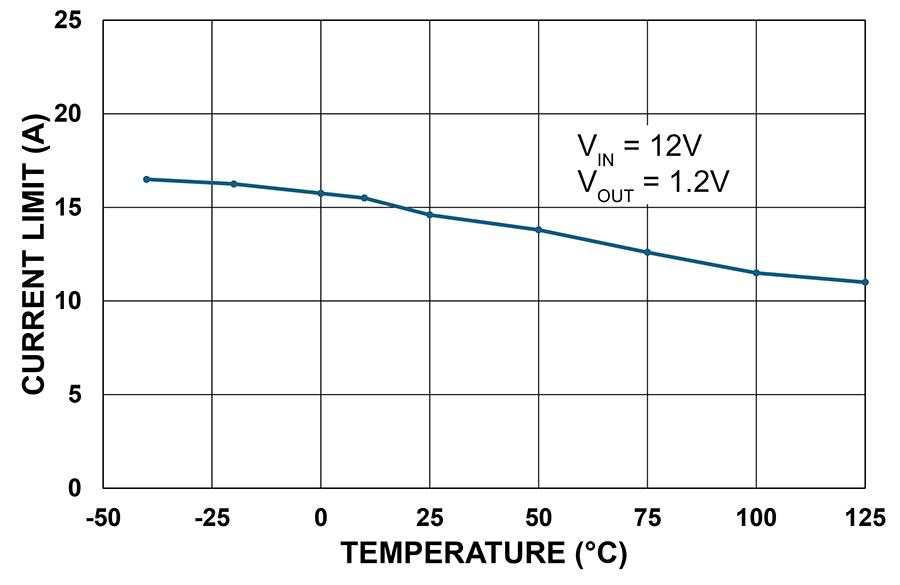
Figure 2-13. Current Limit vs. Temperature
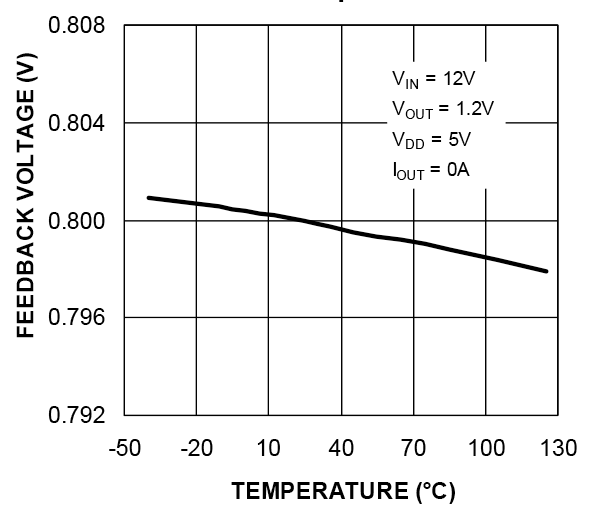
Figure 2-14. Feedback Voltage vs. Temperature
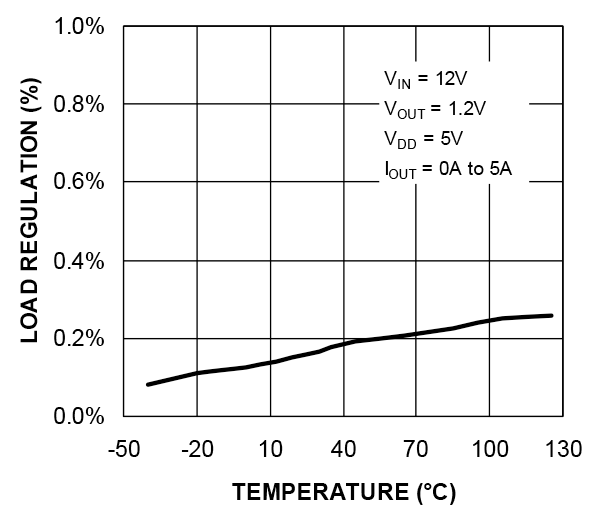
Figure 2-15. Load Regulation vs. Temperature
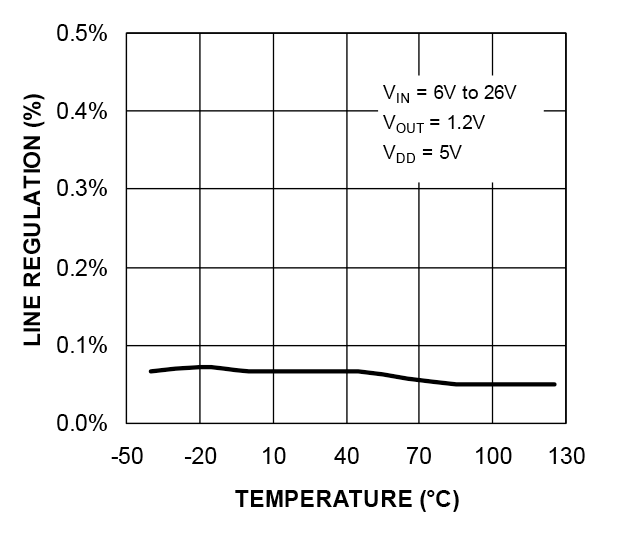
Figure 2-16. Line Regulation vs. Temperature
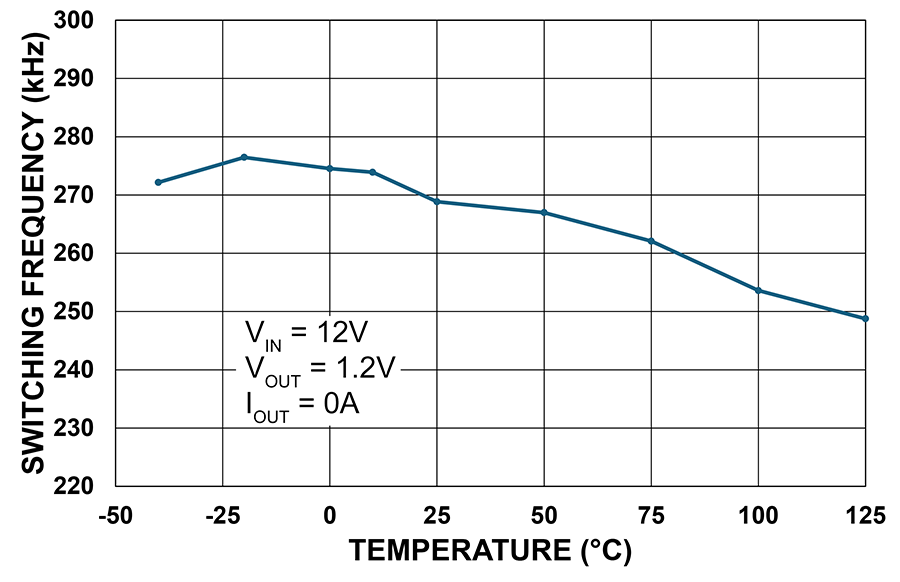
Figure 2-17. Switching Frequency vs. Temperature
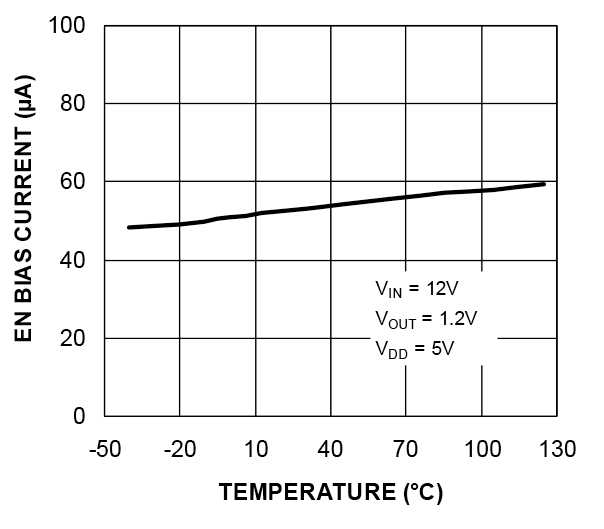
Figure 2-18. EN Bias Current vs. Temperature
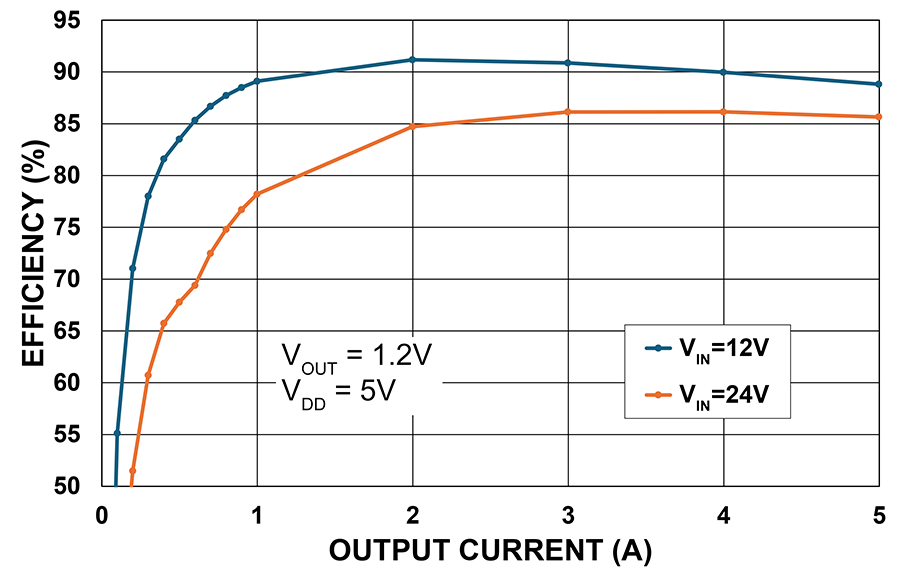
Figure 2-19. Efficiency vs. Output Current
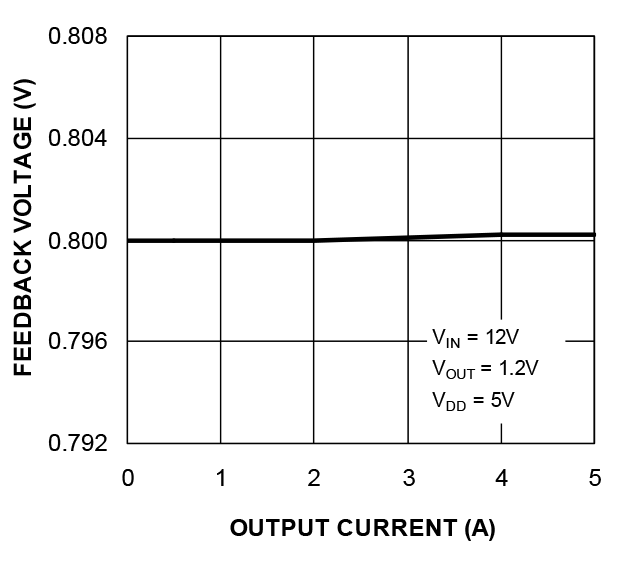
Figure 2-20. Feedback Voltage vs. Output Current
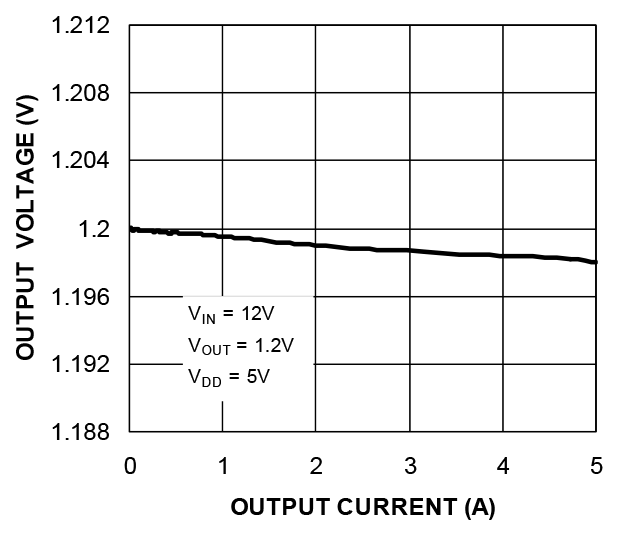
Figure 2-21. Output Voltage vs. Output Current
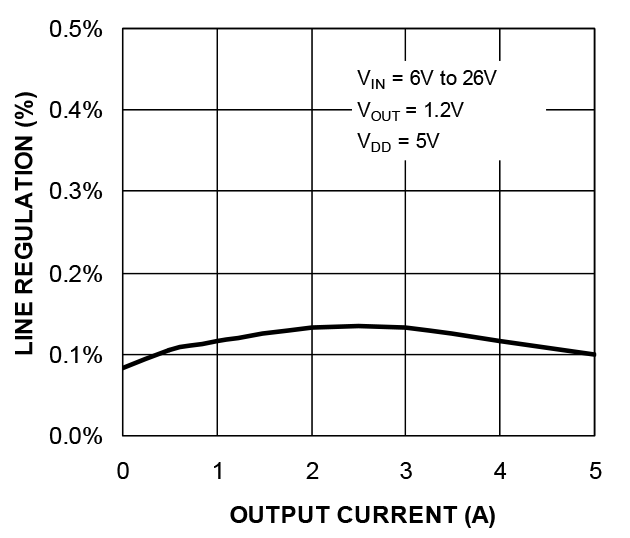
Figure 2-22. Line Regulation vs. Output Current
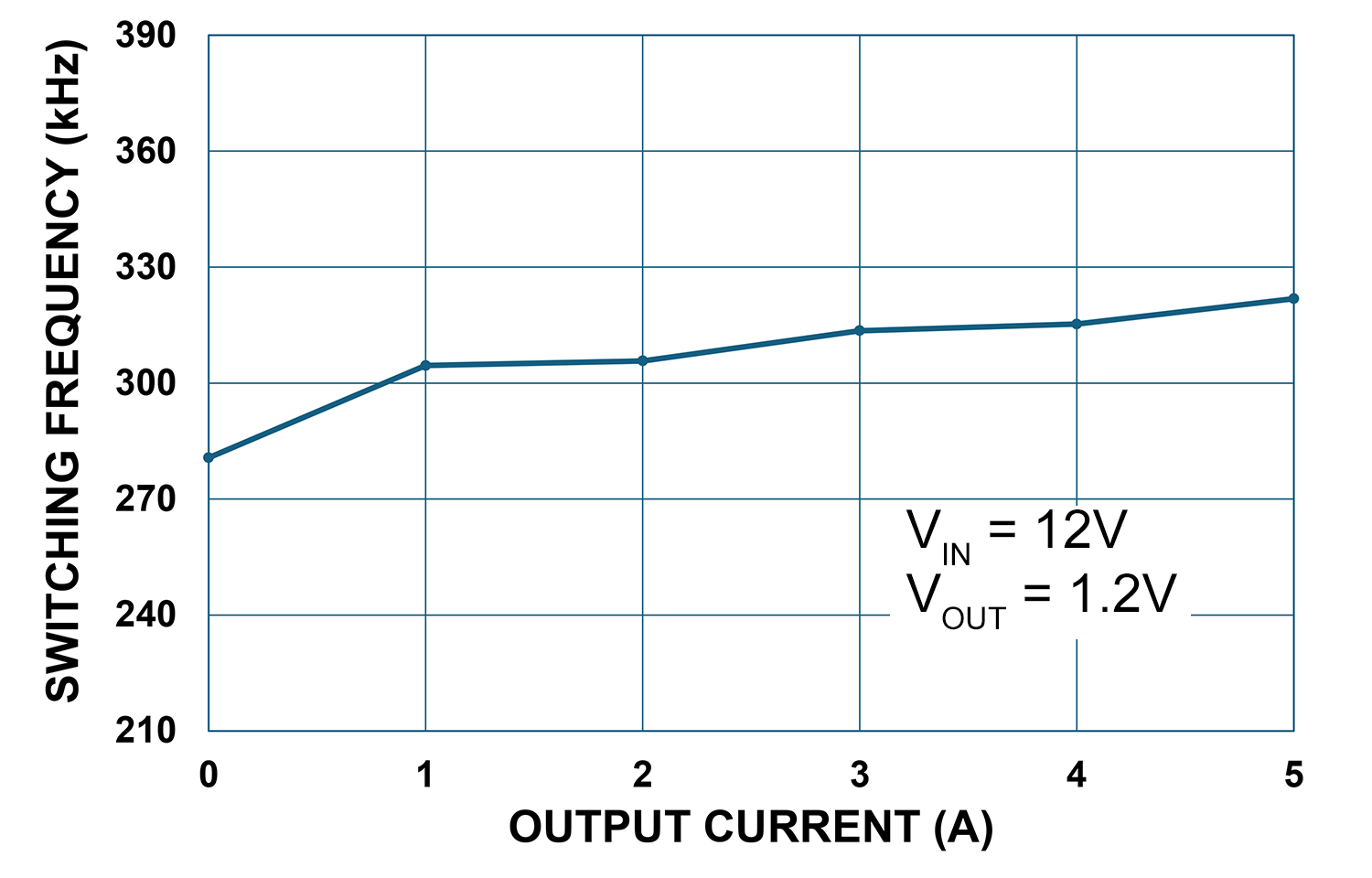
Figure 2-23. Switching Frequency vs. Output Current
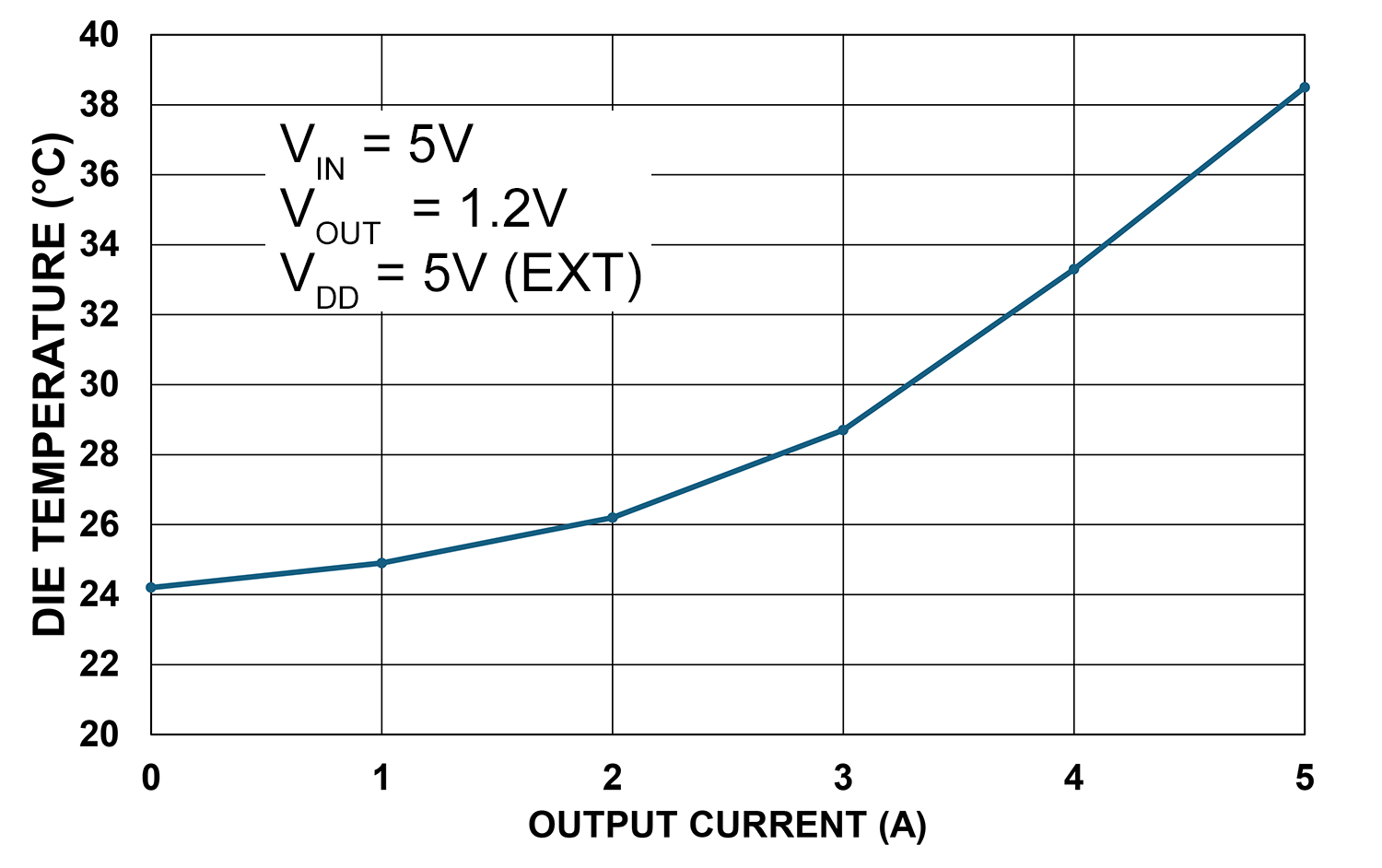
Figure 2-24. Die Temperature (VIN = 5V) vs. Output Current
Note1
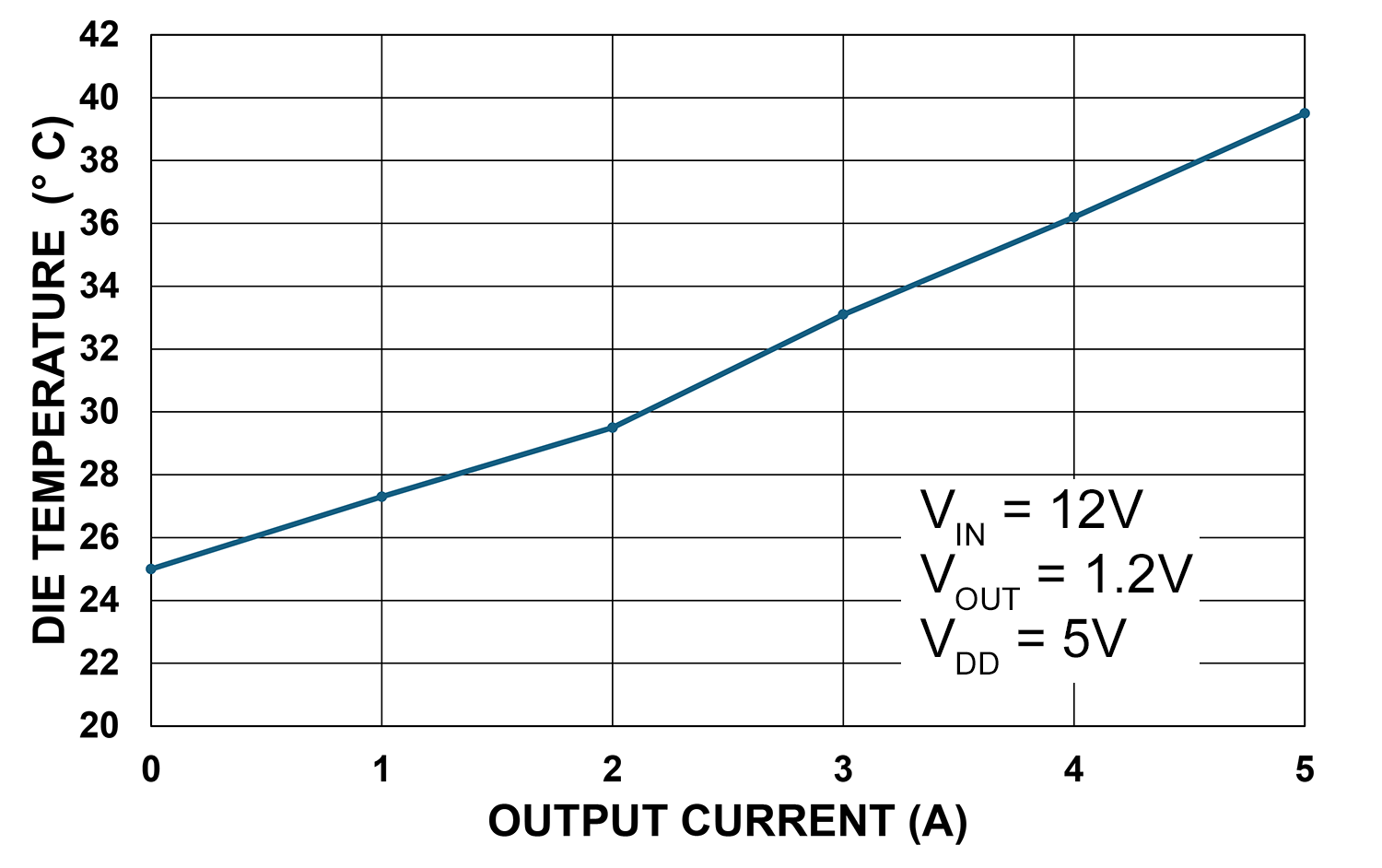
Figure 2-25. Die Temperature (VIN = 12V) vs. Output Current
Note1
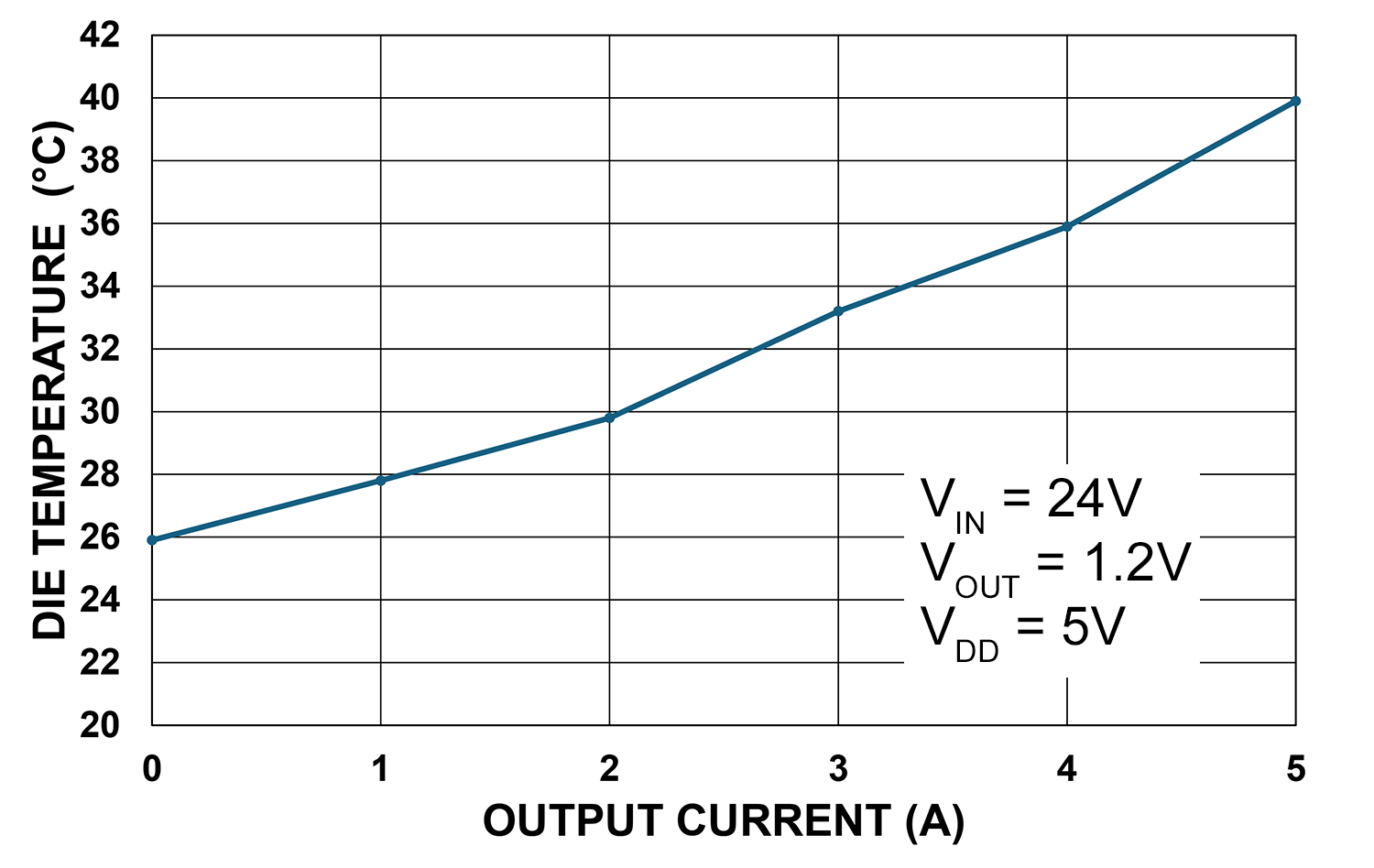
Figure 2-26. Die Temperature (VIN = 24V) vs. Output Current
Note1
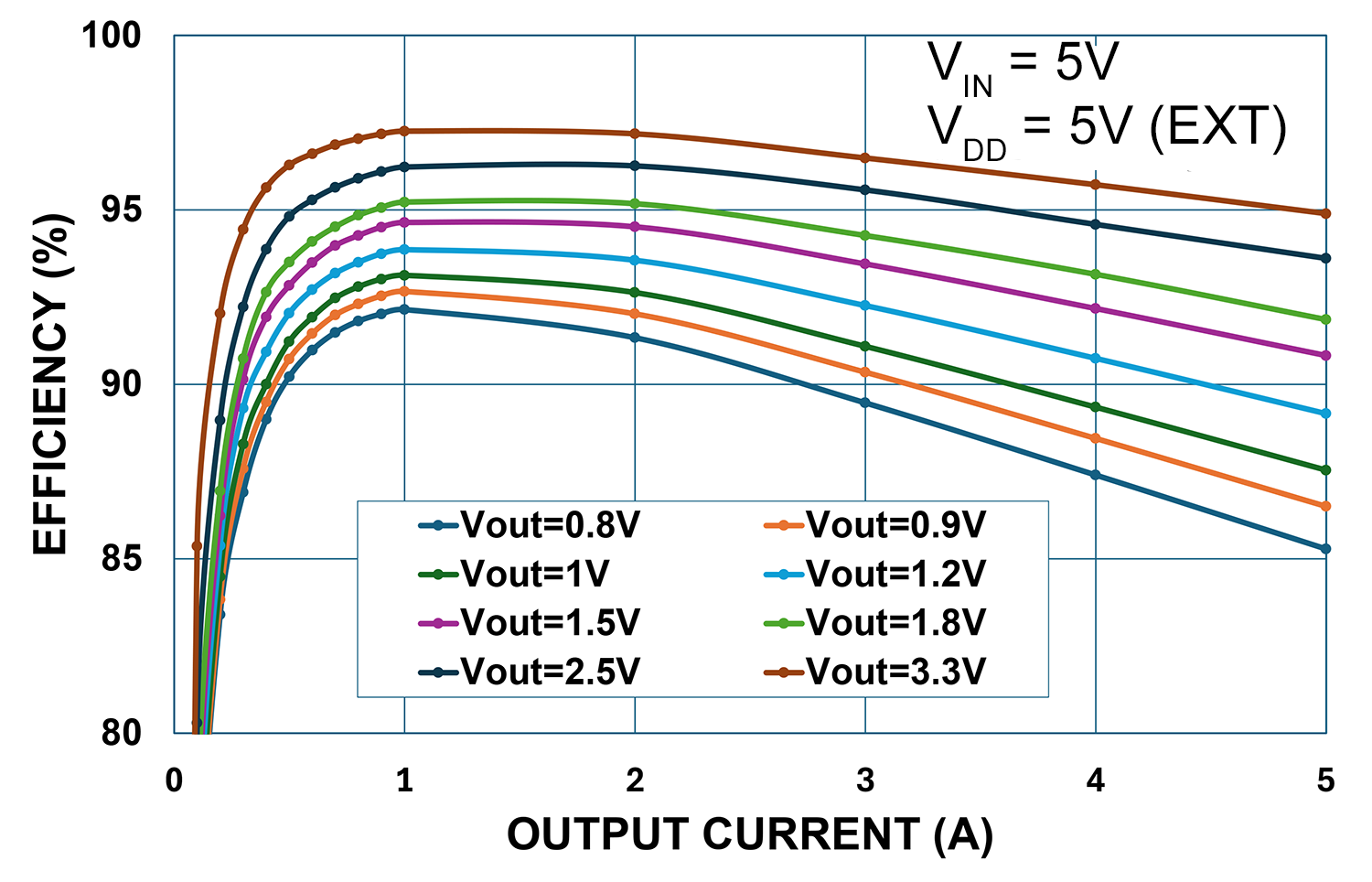
Figure 2-27. Efficiency (VIN = 5V) vs. Output Current
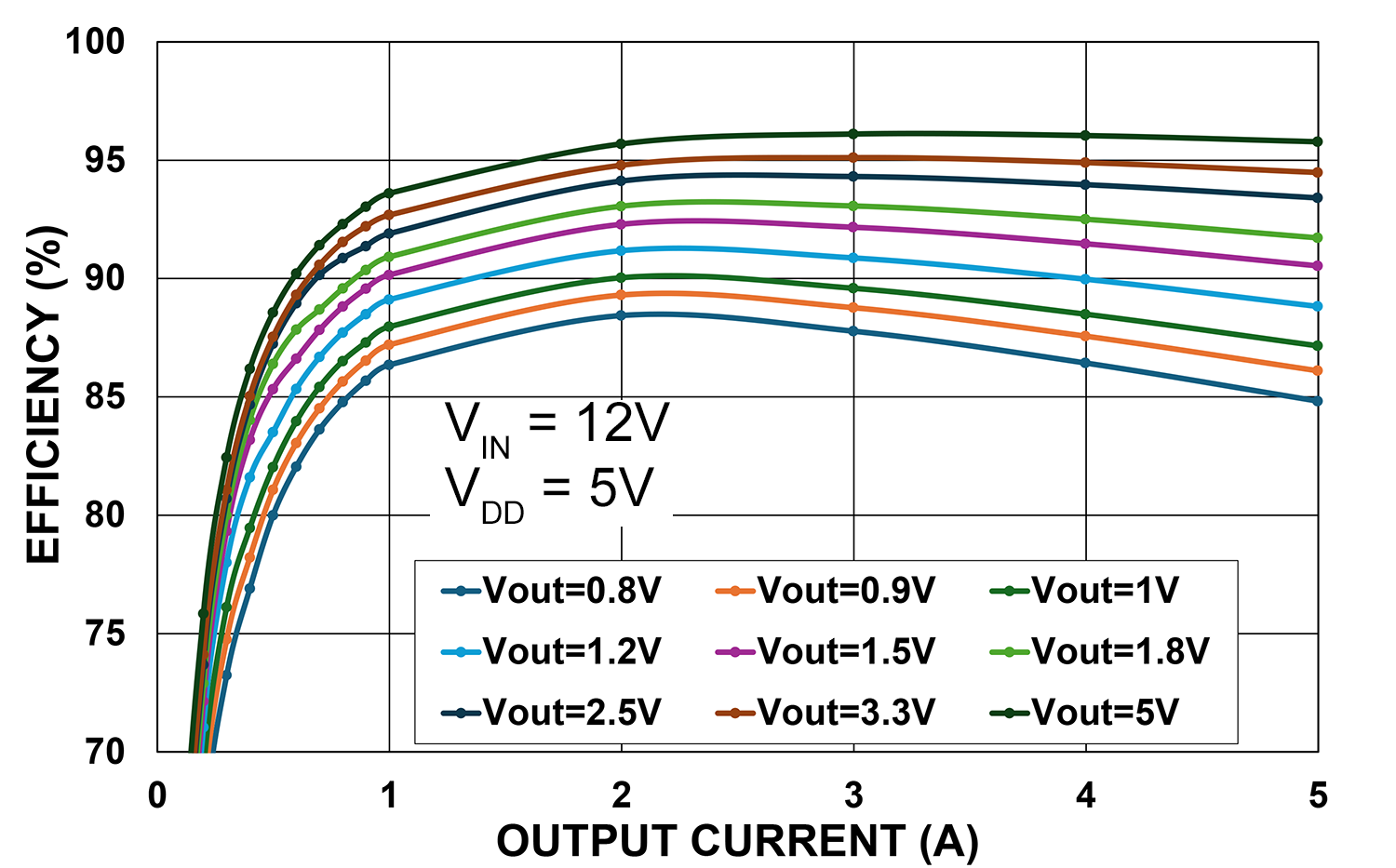
Figure 2-28. Efficiency (VIN = 12V) vs. Output Current
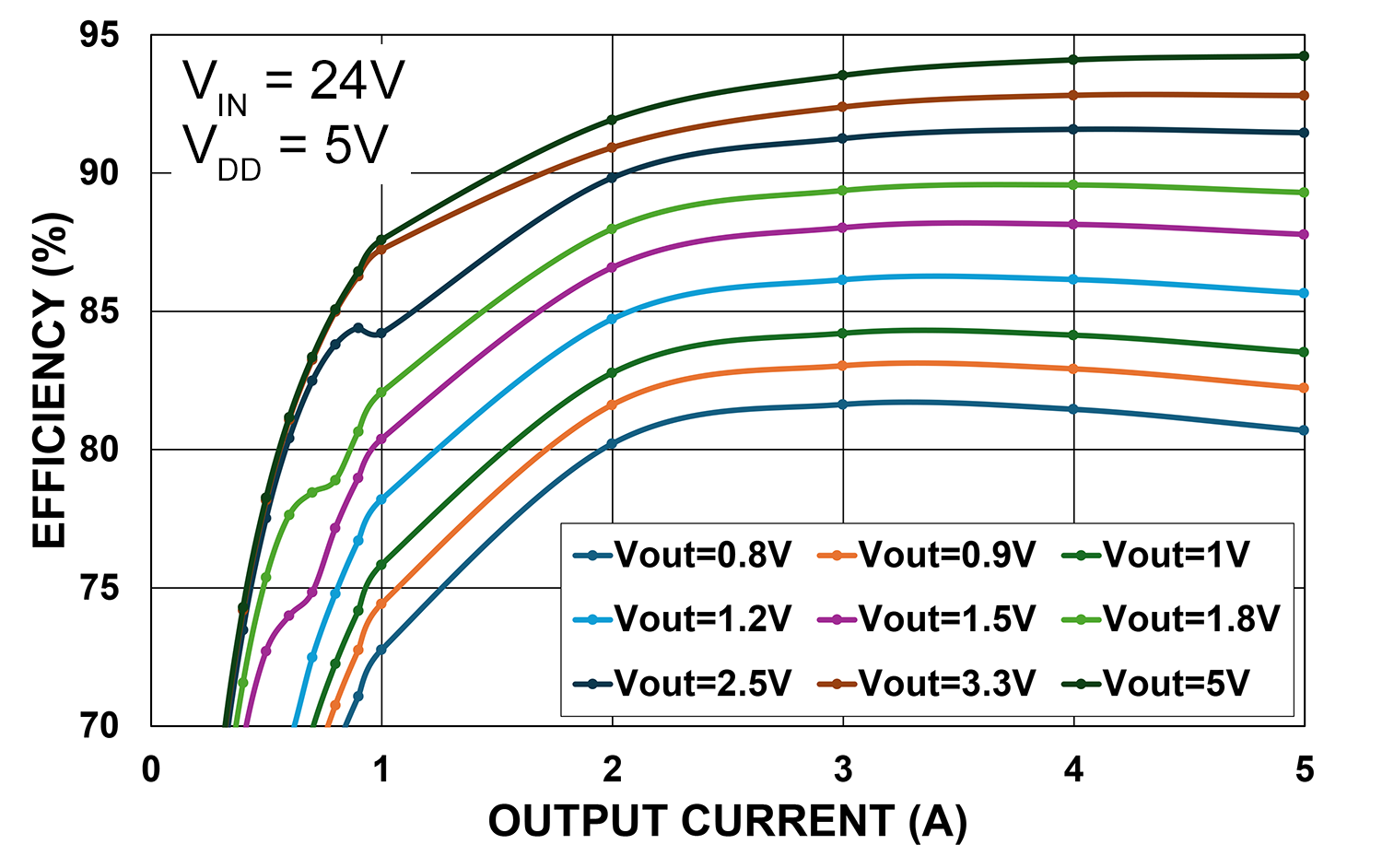
Figure 2-29. Efficiency (VIN = 24V) vs. Output Current
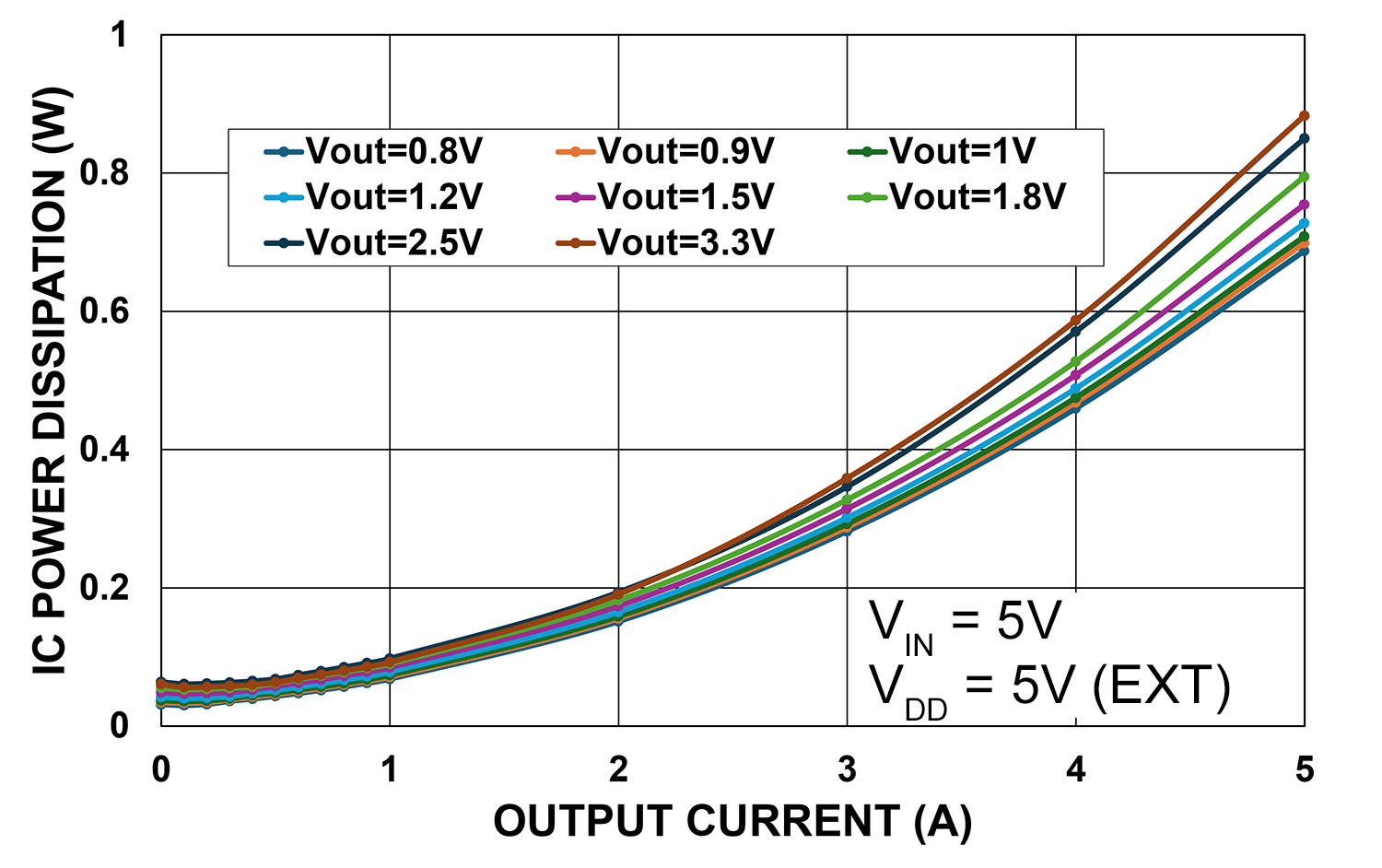
Figure 2-30. IC Power Dissipation (VIN = 5V) vs. Output Current
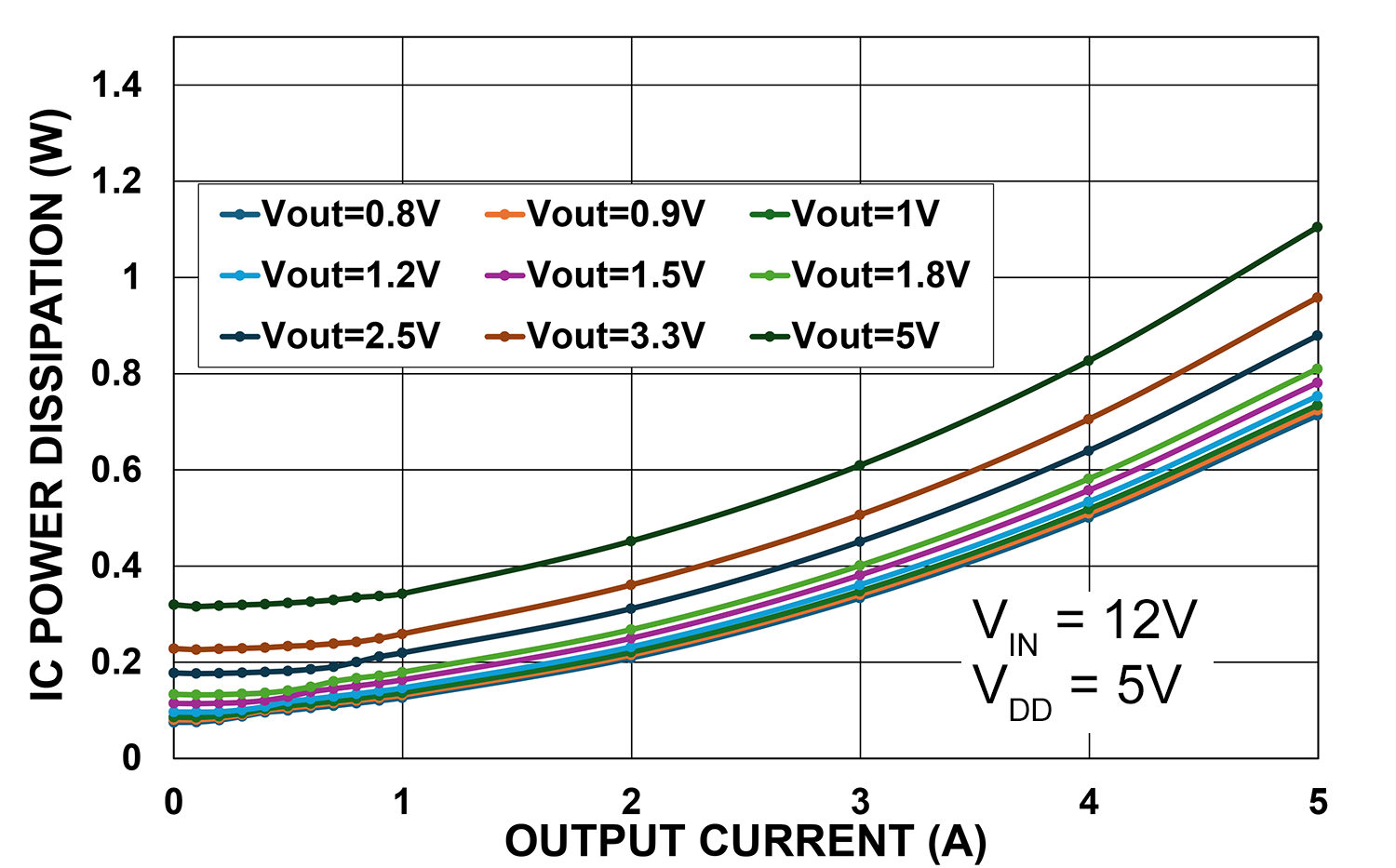
Figure 2-31. IC Power Dissipation (VIN = 12V) vs. Output Current
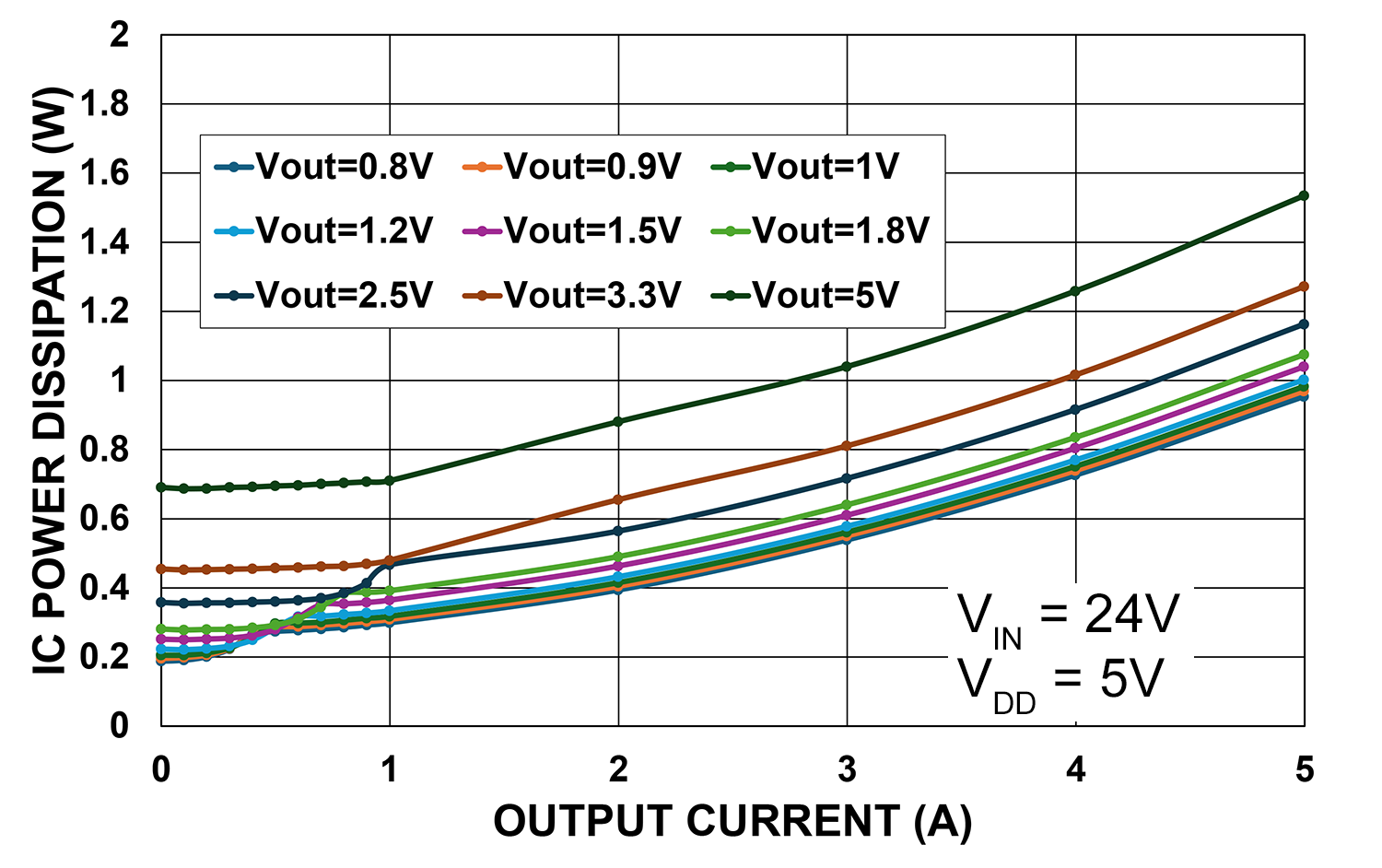
Figure 2-32. IC Power Dissipation (VIN = 24V) vs. Output Current
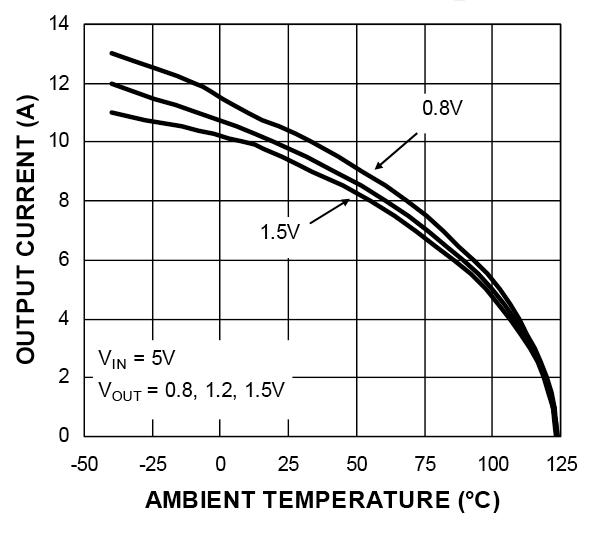
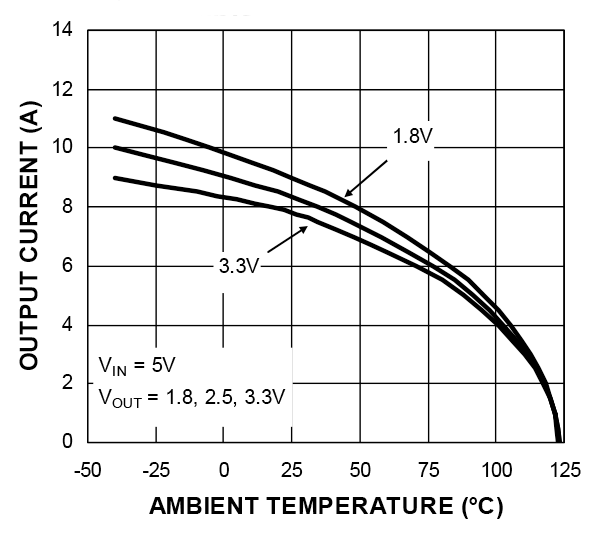
Figure 2-33. Thermal Derating vs. Ambient Temperature
Note1
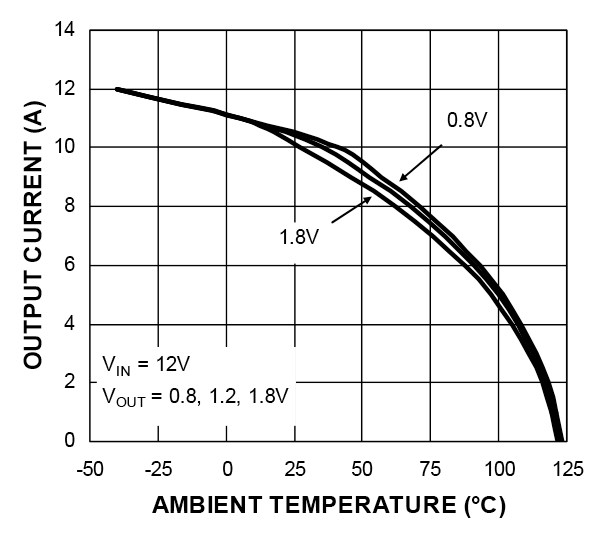
Figure 2-34. Thermal Derating vs. Ambient Temperature
Note1
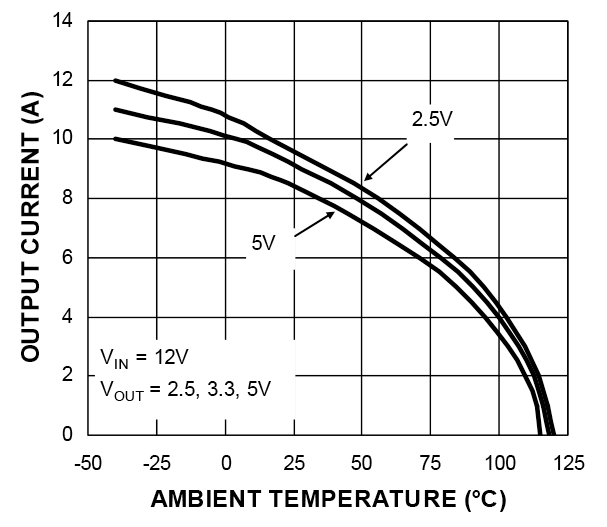
Figure 2-35. Thermal Derating vs. Ambient Temperature
Note1
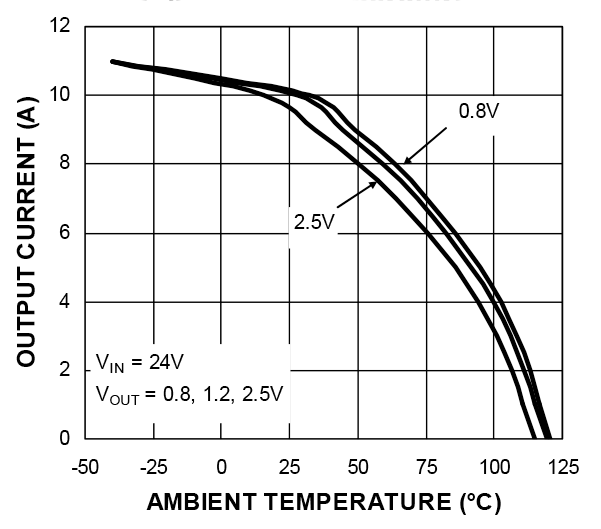
Figure 2-36. Thermal Derating vs. Ambient Temperature
Note1
Figure 2-37. Thermal Derating vs. Ambient Temperature
Note1
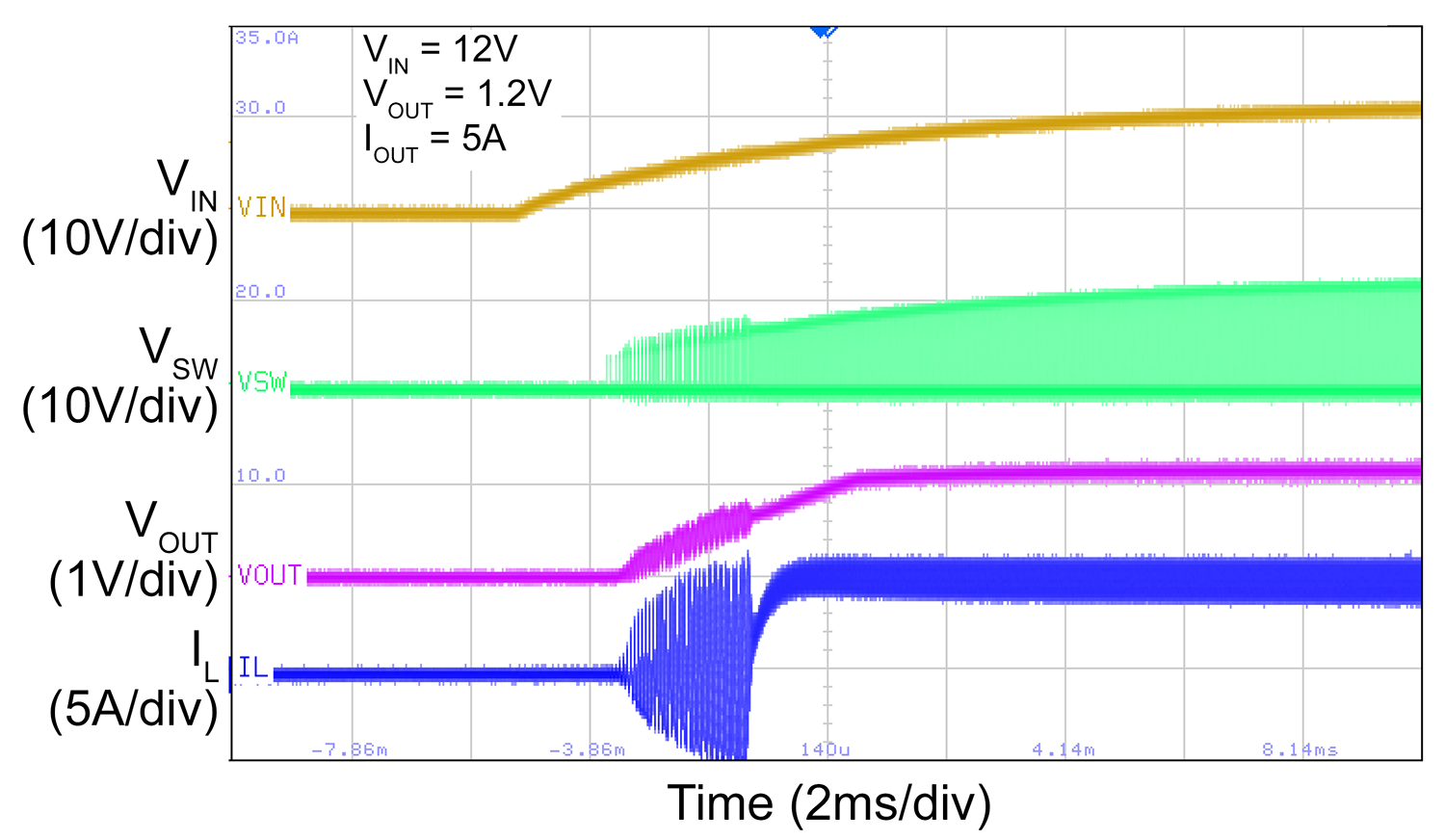
Figure 2-38. VIN Soft Turn-On
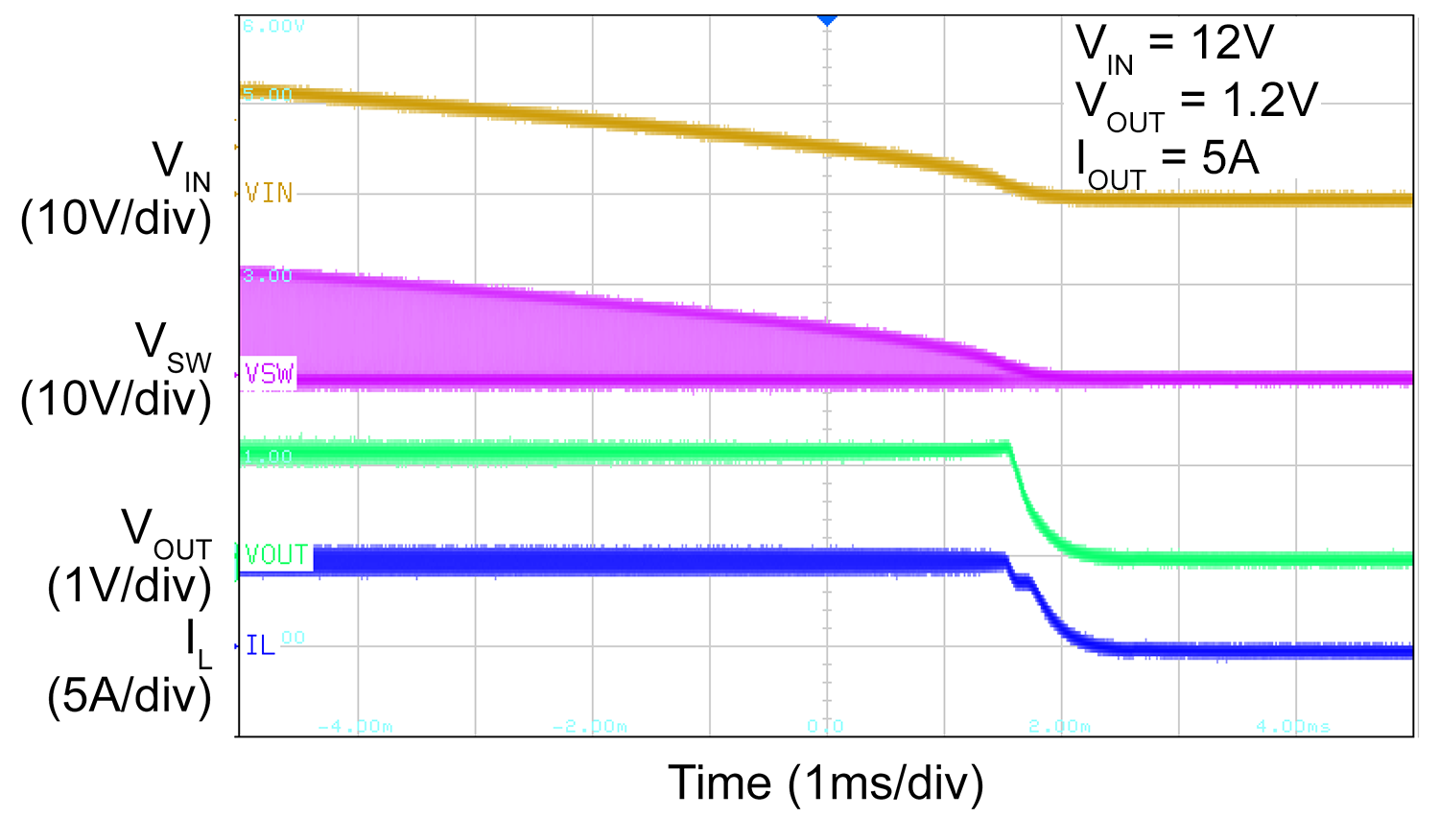
Figure 2-39. VIN Soft Turn-Off
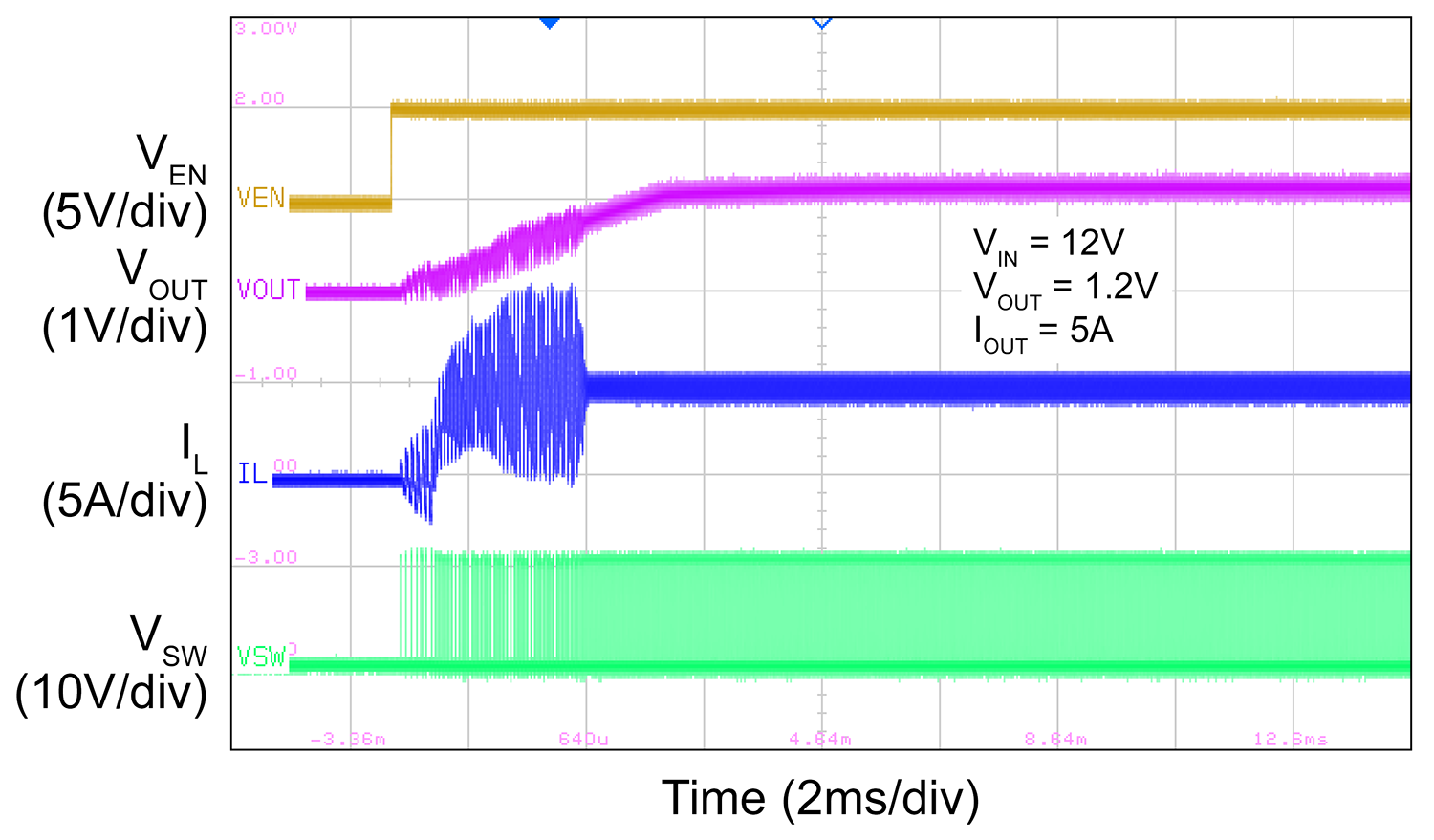
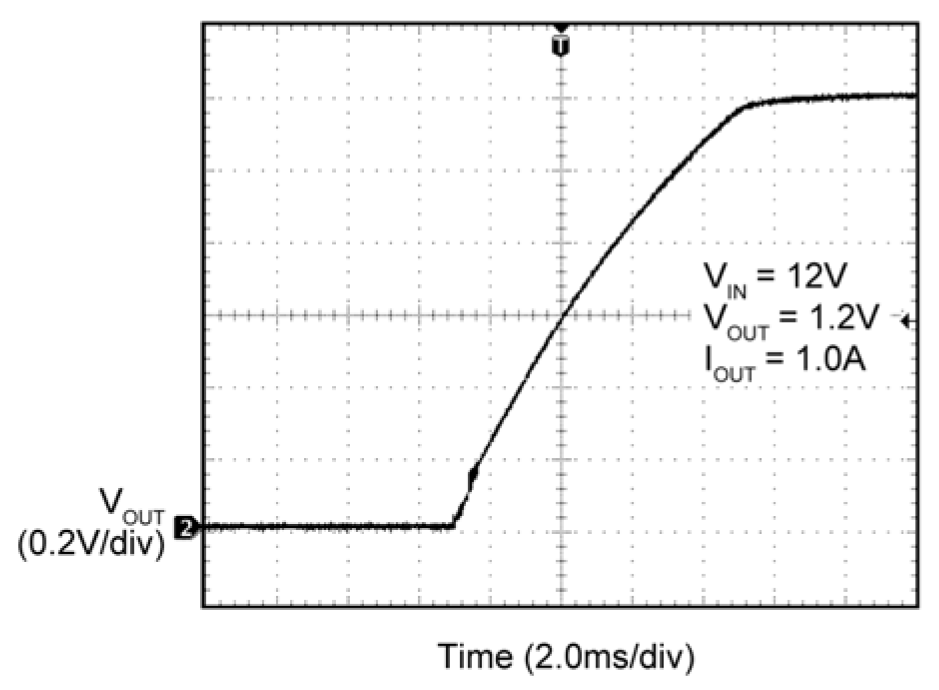
Figure 2-40. VEN Enable Turn-On Delay and Rise Time
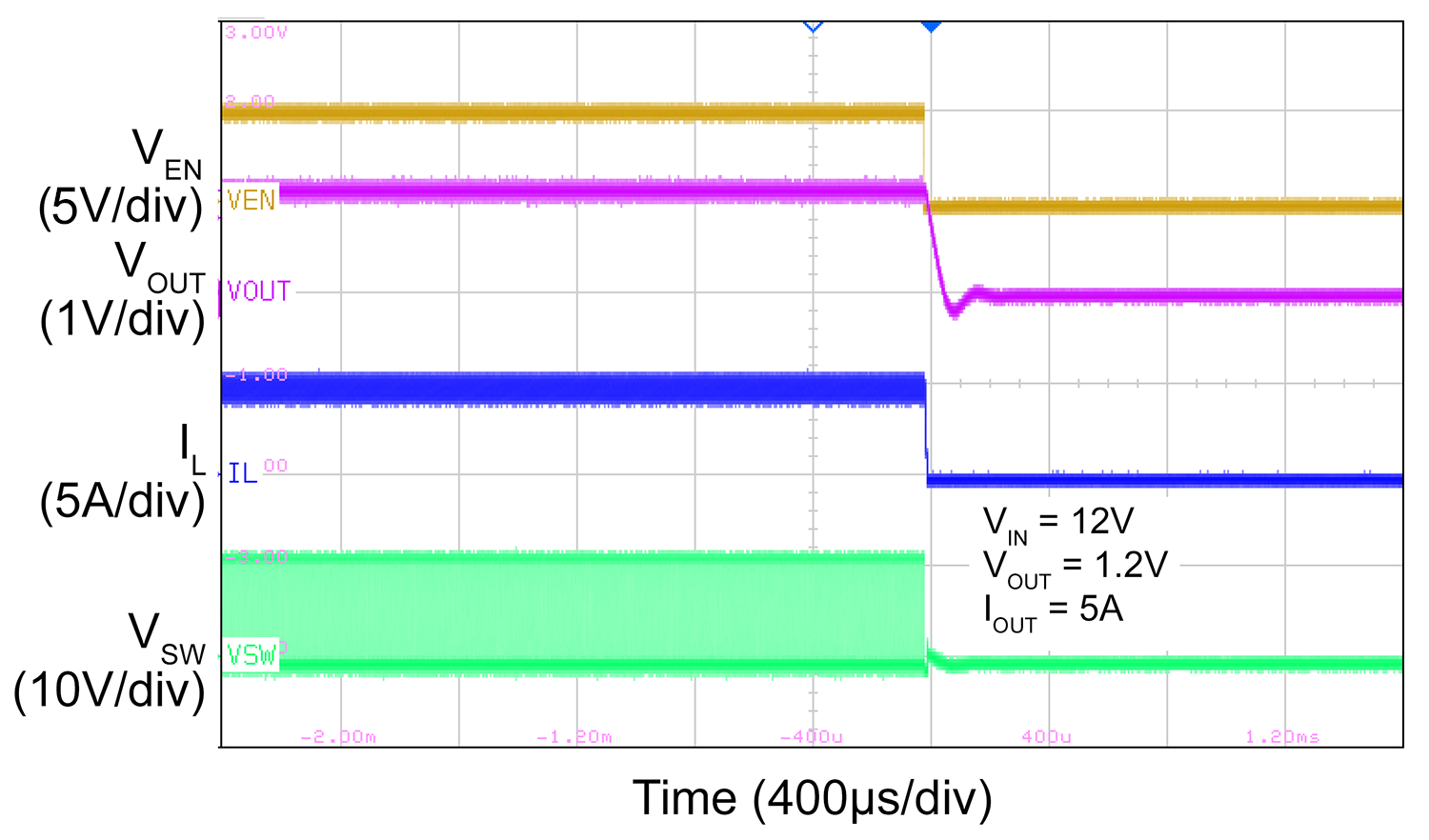
Figure 2-41. VEN Enable Turn-Off Delay and Fall Time
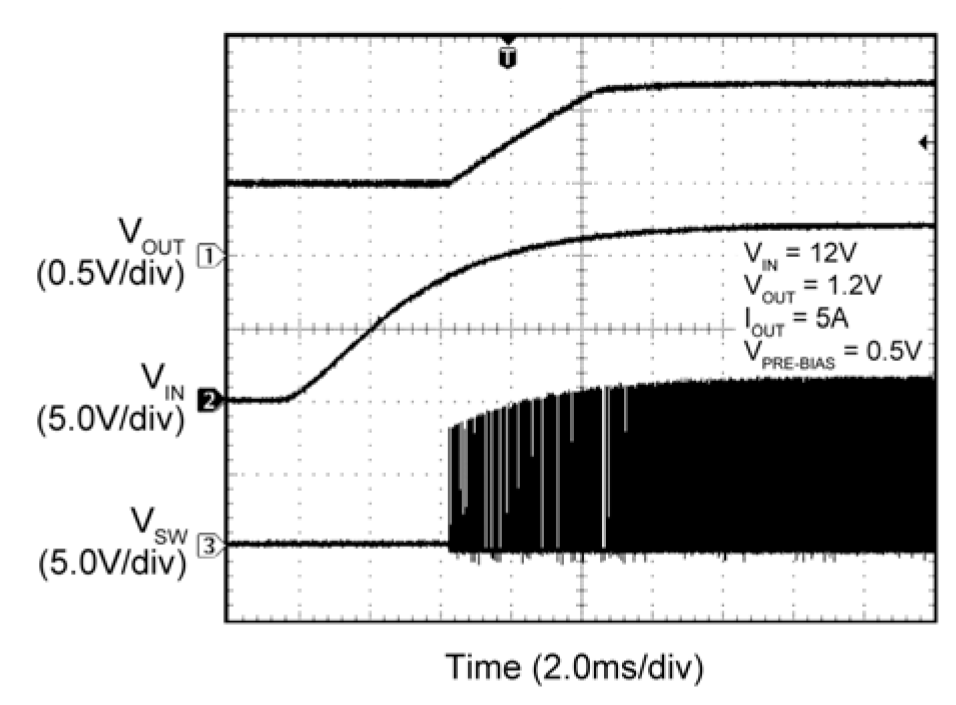
Figure 2-42. VIN Start-Up with Pre-Biased Output
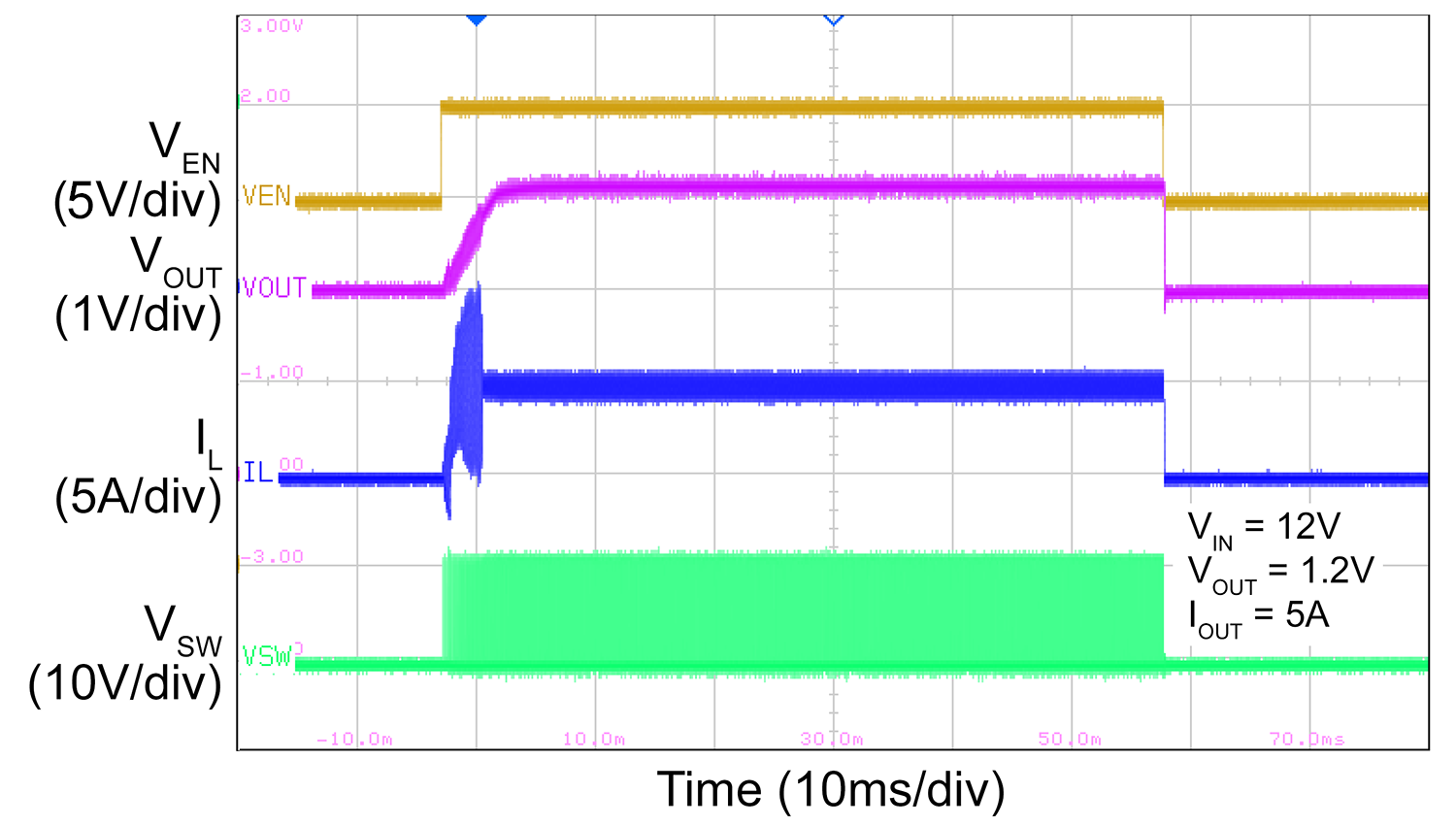
Figure 2-43. VEN Enable Turn-On/Turn-Off
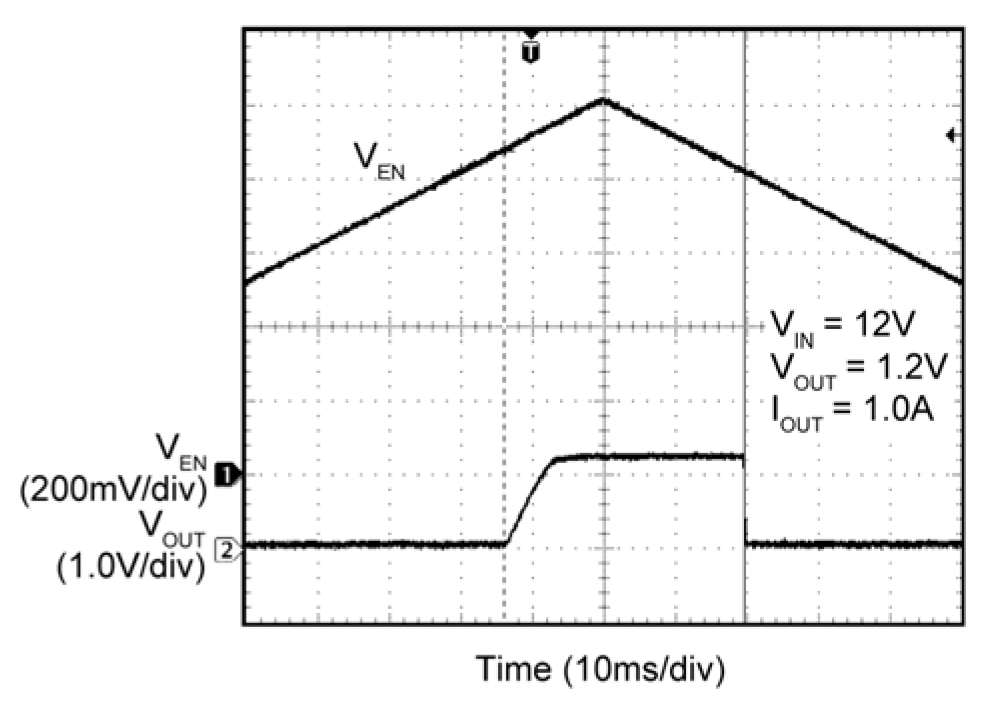
Figure 2-44. VEN Enable Thresholds
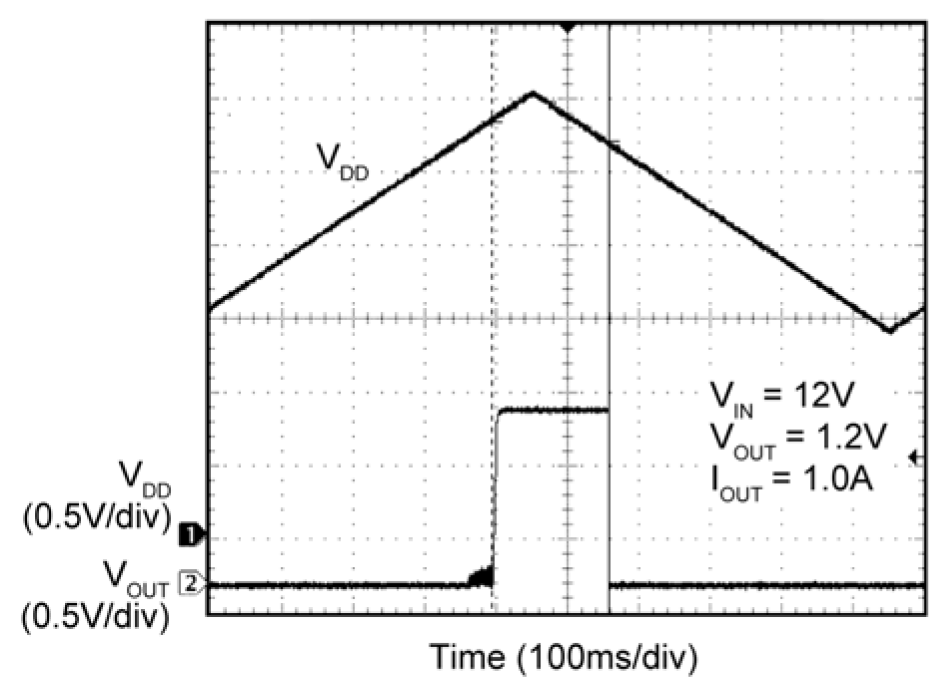
Figure 2-45. VDD UVLO Thresholds
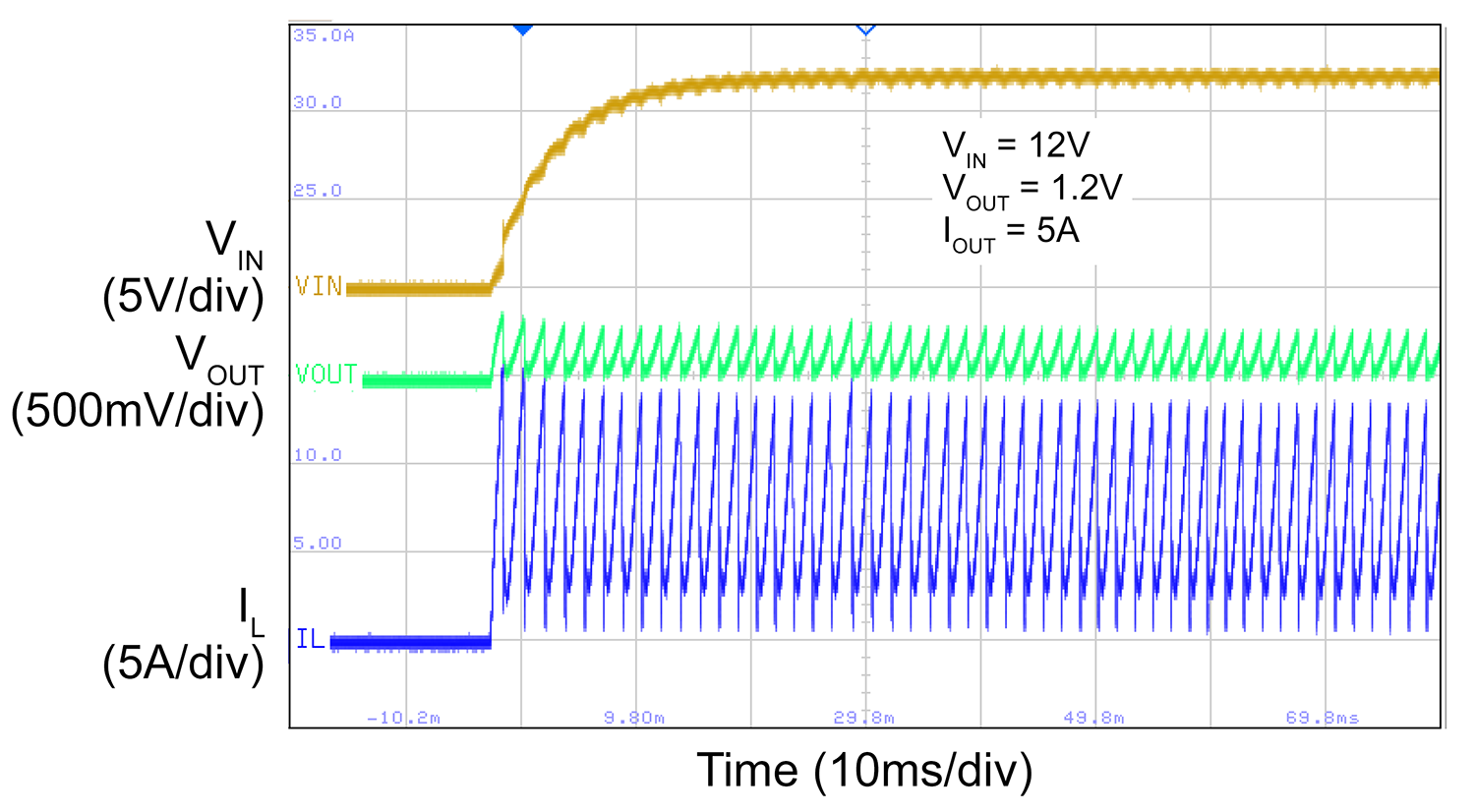
Figure 2-46. Power-Up into Short Circuit
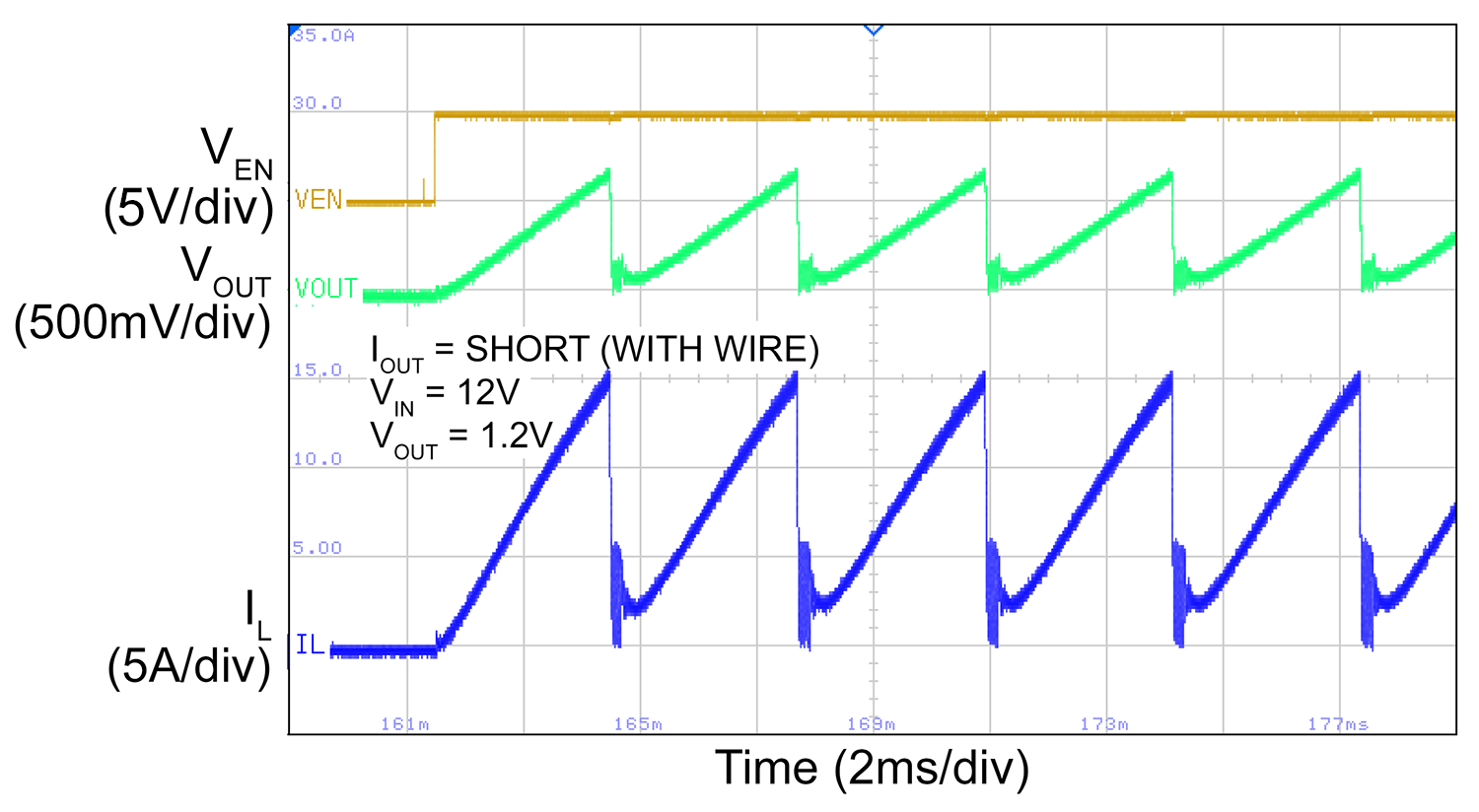
Figure 2-47. Enabled into Short Circuit
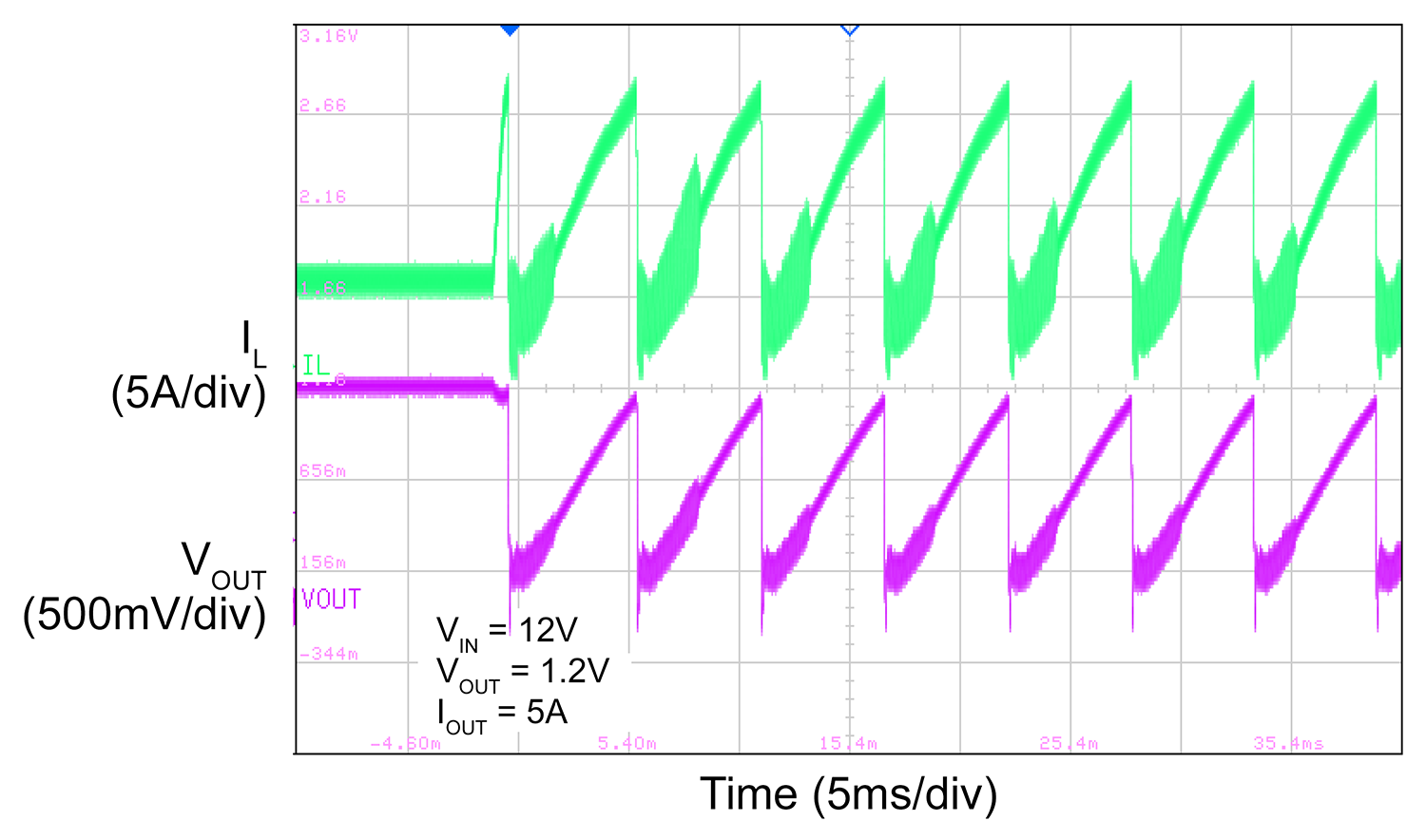
Figure 2-48. Short Circuit
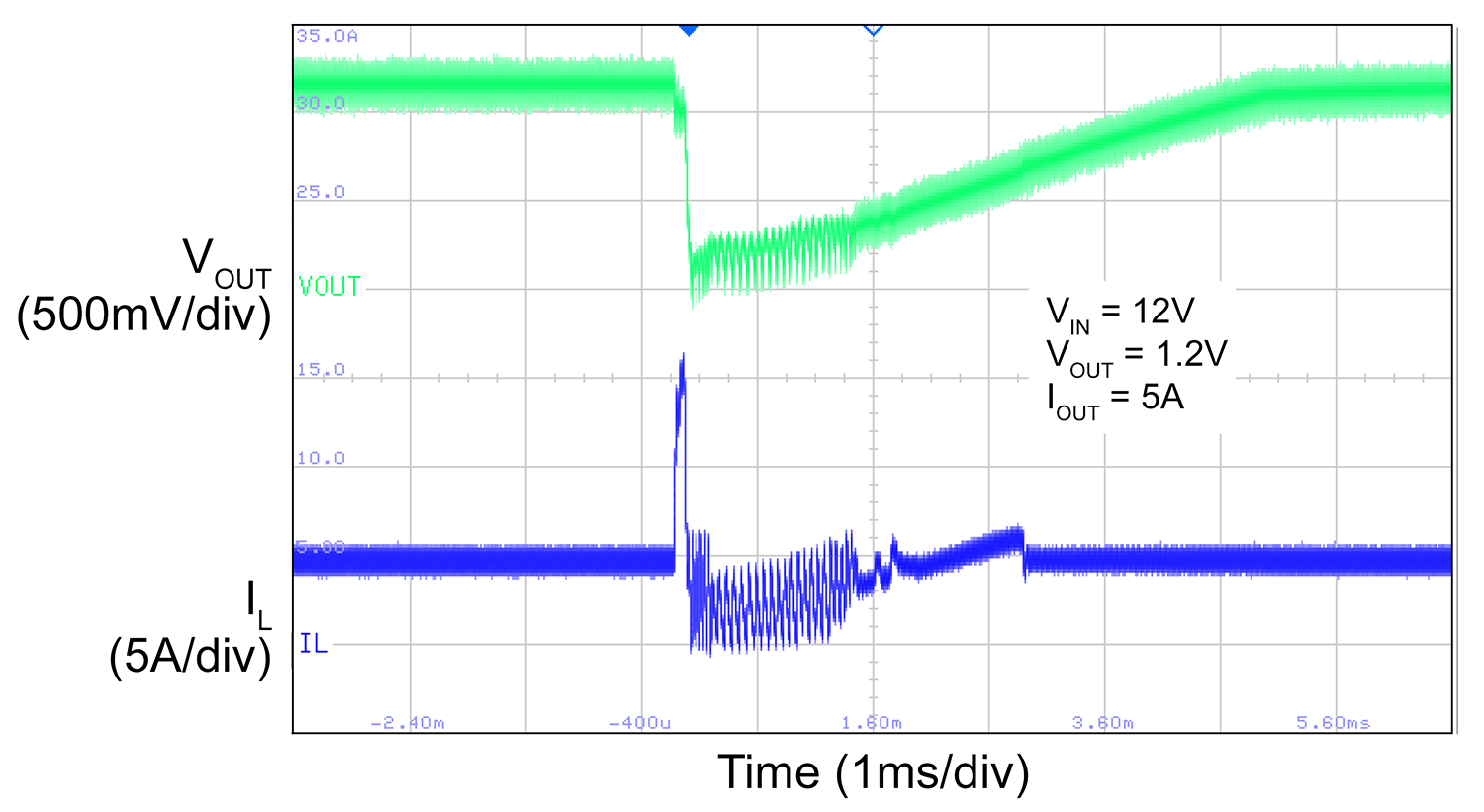
Figure 2-49. Output Recovery Short Circuit
Figure 2-50. Peak Current Limit Threshold
Figure 2-51. Output Recovery from Thermal Shutdown
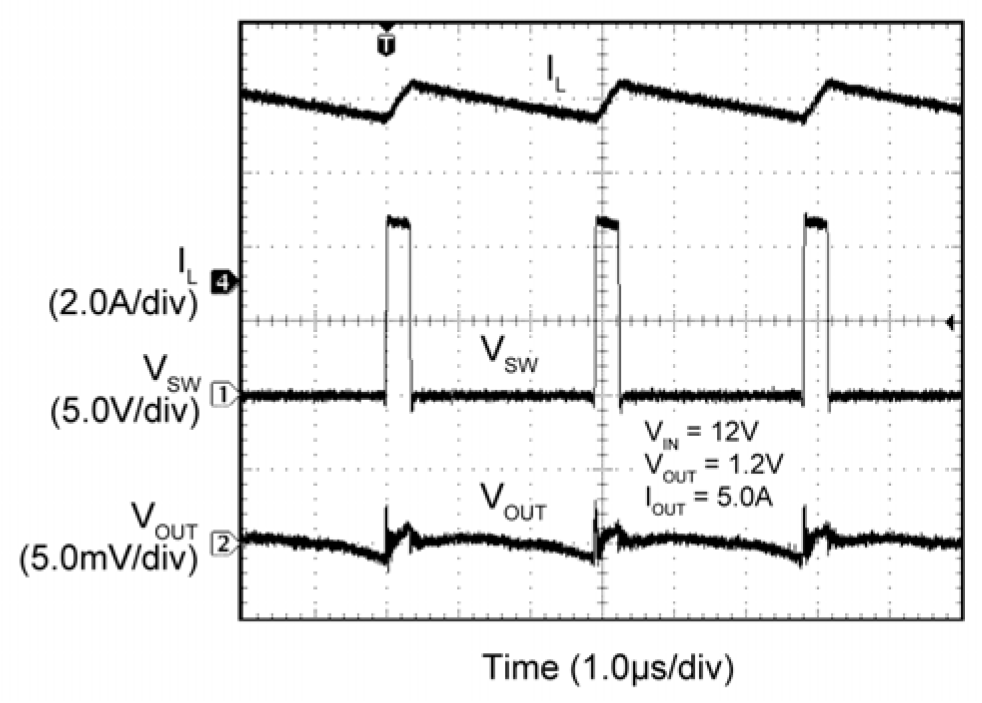
Figure 2-52. Switching Waveforms, IOUT = 5A
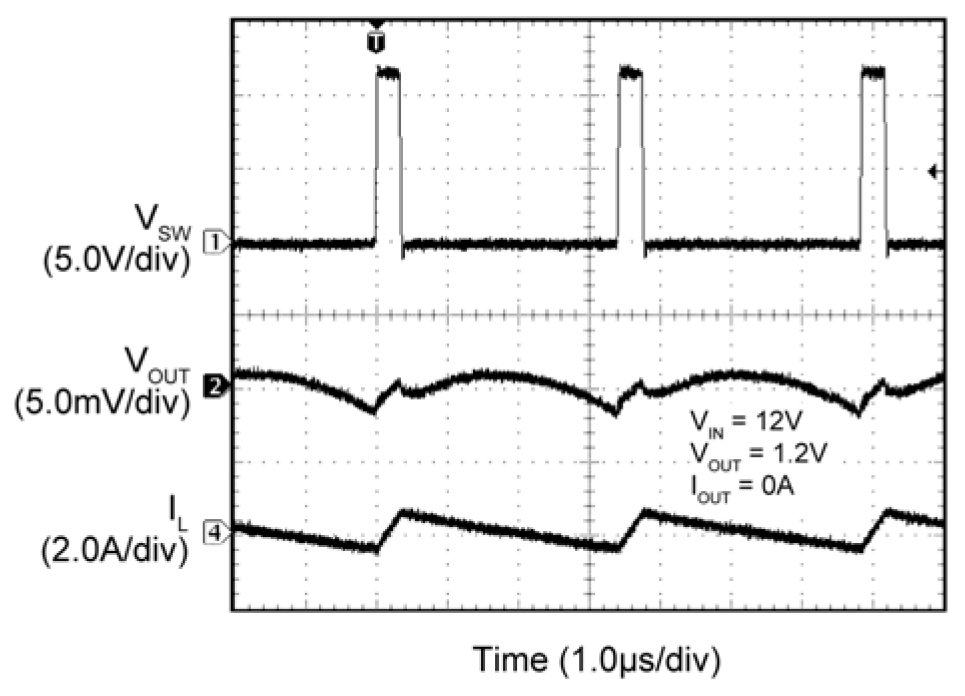
Figure 2-53. Switching Waveforms, IOUT = 0A
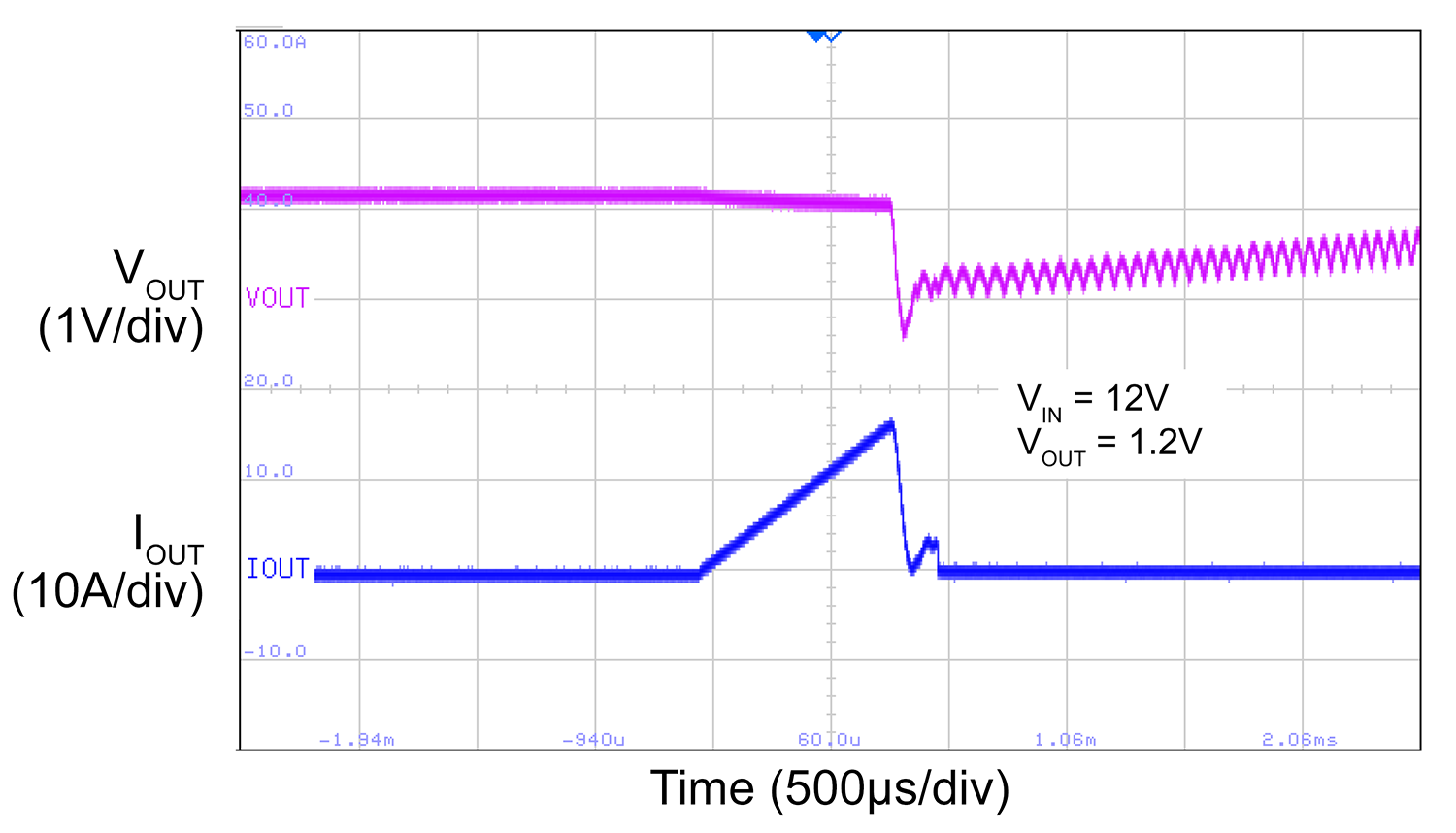
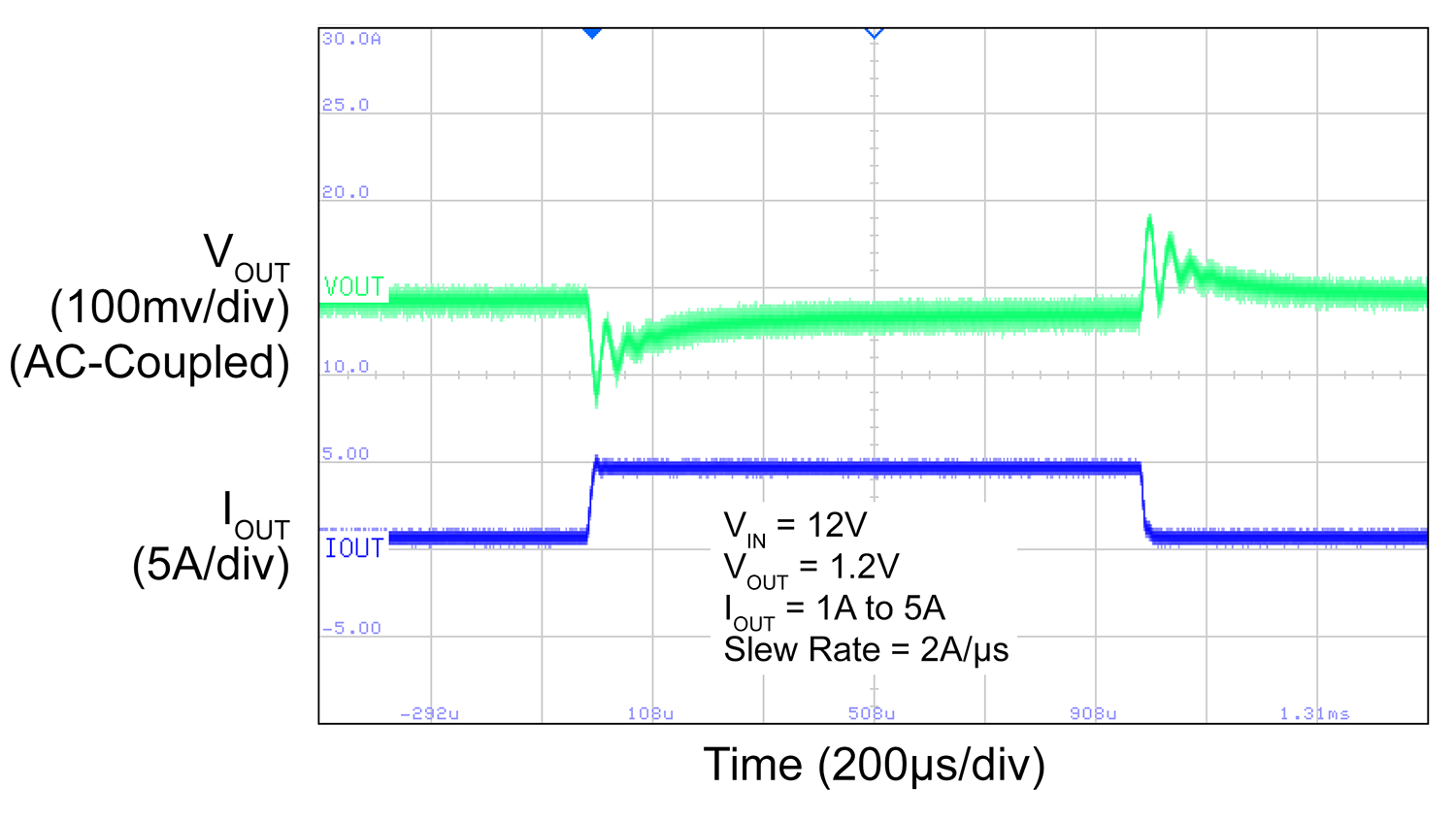
Figure 2-54. Transient Response

Notes:

  1. The temperature measurement was taken at the hottest point on the MIC26400 case mounted on a 5 square inch 4-layer, 0.062”, FR-4 PCB with 2oz. finish copper weight per layer, see the Thermal Measurements section. Actual results will depend upon the size of the PCB, ambient temperature, and proximity to other heat emitting components.